Global Digital Inclusion: Progress to Parity Scorecard 2024
The under-representation of women in high-paying STEM roles is a vexing issue that exposes a systemic inertia across the industry.



Check out the latest research insights, analyst spotlights, and news from Digital Planet.

Can AI replace every job? Using the FIFA World Cup and the "Messi Test" as a lens, Bhaskar Chakravorti explores why human creativity, intuition and exceptional performance remain difficult for AI to replicate.

Artificial intelligence is emerging as a powerful catalyst for the next industrial revolution. As nations race to strengthen industrial competitiveness, success will depend on combining AI adoption with strategic investments in talent, infrastructure, and policy.

Artificial intelligence is emerging as a powerful catalyst for the next industrial revolution. As nations race to strengthen industrial competitiveness, success will depend on combining AI adoption with strategic investments in talent, infrastructure, and policy.

Surrounding AI valuations and public offerings, it highlights the overlooked markets, infrastructure, and applications that could drive the next wave of digital transformation.

As digital markets become increasingly fragmented by geopolitics, regulation, and technological competition, the analysis explores how businesses and nations can adapt to a rapidly evolving global economy.

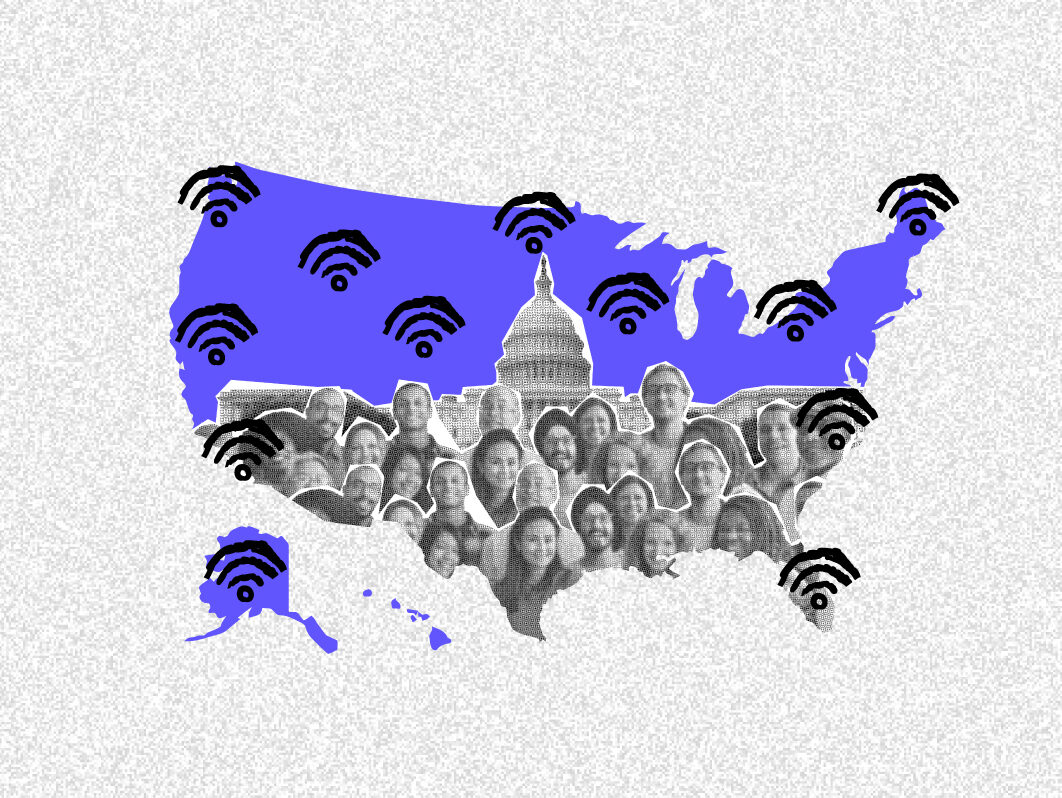
AI disruption will hit the "Wired Belt" hardest. By funding AI, companies are hollowing out the workforce and consumer base they depend on, self-sabotaging US capitalism.

Digital Planet Chair Bhaskar Chakravorti decodes the implications of these dynamics by drawing attention to historic crises that emerged because of a lack of purposeful direction and uncontrolled spending.

Will AI trigger the next Great Displacement? Bhaskar Chakravorti explores how "Wired Belt" knowledge workers in swing states could drive a massive political revolt as AI disrupts white-collar industries.


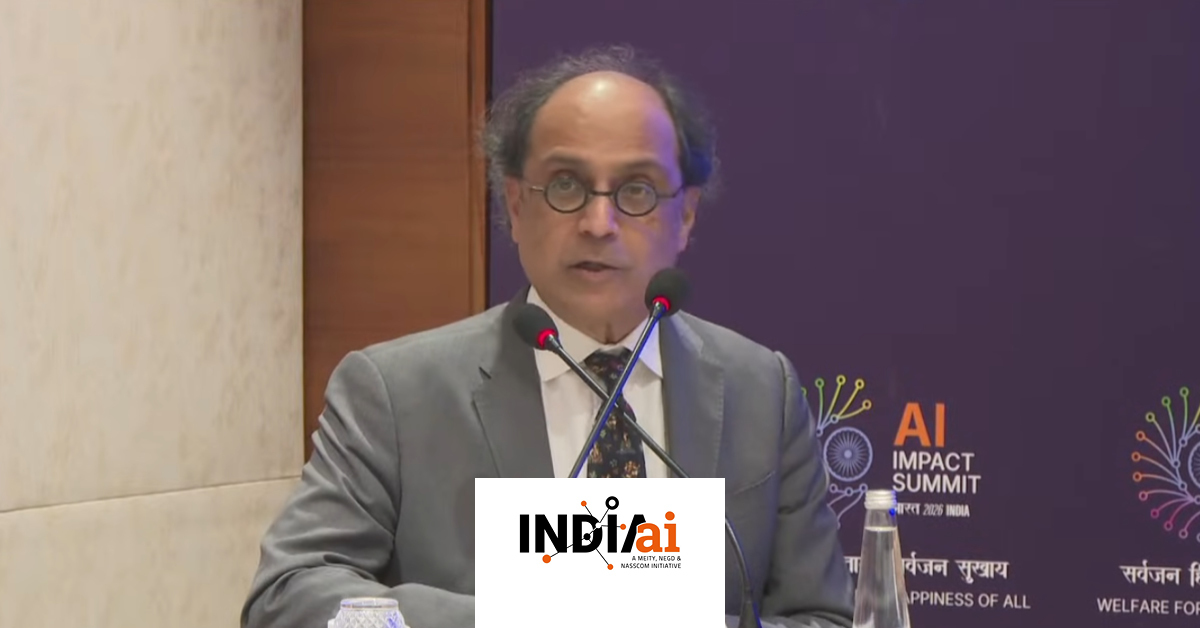
At the NXT Summit, Bhaskar Chakravorti explains why shifting from ‘Big AI’ to targeted ‘Small AI’ is the ultimate key to driving inclusive global growth and solving real problems.

Digital Planet Chair Bhaskar Chakravorti sits down for a candid chat with the Indianness Podcast, recounting his academic journey, his learnings from global businesses and leaders, and, most importantly, the impact of Artificial Intelligence when it can be funnelled into solutions for every citizen.

From the Covid Shock to AI Surge: How 125 Digital Economies Around the World Are Evolving and Changing

Bhaskar Chakravorti and Joel P. Trachtman's seminal work granularly examines the complexities of balancing free speech against dangerous content on social media.




The under-representation of women in high-paying STEM roles is a vexing issue that exposes a systemic inertia across the industry.

As the Global AI race intensifies, we mapped emerging AI leadership across data, rules, capital, and innovation.
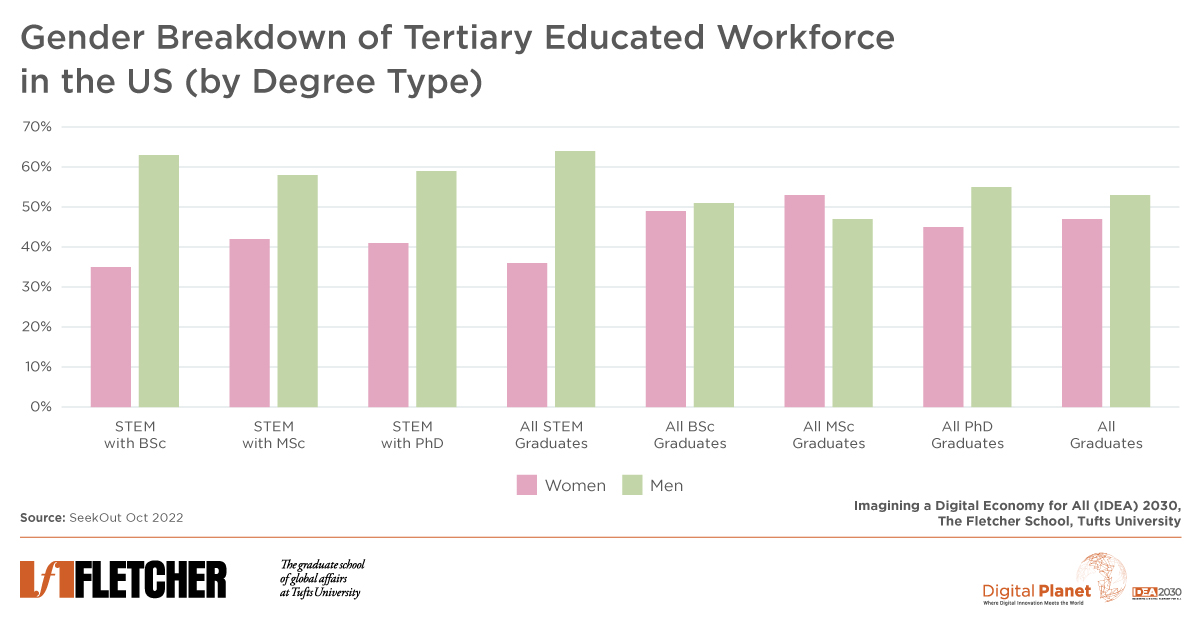
Women remain under-represented in high-paying technical and decision-making roles in STEM professions – a scenario that exposes the Achilles’ heel of the entire technology industry.

Can AI replace every job? Using the FIFA World Cup and the "Messi Test" as a lens, Bhaskar Chakravorti explores why human creativity, intuition and exceptional performance remain difficult for AI to replicate.

Bhaskar Chakravorti explains how “small AI” differs from “big AI” and why accessible, affordable AI could help developing economies unlock new opportunities for inclusive growth and digital transformation.
AI is disrupting jobs at a pace that traditional upskilling programs cannot match. In this CNBC interview, Bhaskar Chakravorti explores why governments and businesses must rethink workforce development, social safety nets, and public policy to prepare for the rapid transformation…
Artificial intelligence is emerging as a powerful catalyst for the next industrial revolution. As nations race to strengthen industrial competitiveness, success will depend on combining AI adoption with strategic investments in talent, infrastructure, and policy.
Surrounding AI valuations and public offerings, it highlights the overlooked markets, infrastructure, and applications that could drive the next wave of digital transformation.
As digital markets become increasingly fragmented by geopolitics, regulation, and technological competition, the analysis explores how businesses and nations can adapt to a rapidly evolving global economy.