Global Digital Inclusion: Progress to Parity Scorecard 2024
The under-representation of women in high-paying STEM roles is a vexing issue that exposes a systemic inertia across the industry.

A research initiative at The Fletcher School aimed at fostering inclusive growth around the world using the power of digital technologies.
IDEA 2030 is a research initiative that aims to focus the minds of decision-makers through data-driven insights on inclusive digital economies. Housed within Digital Planet at the Institute for Business in the Global Context (IBGC) at The Fletcher School, IDEA 2030 addresses two fundamental issues of our time: the need for inclusive growth and recovery, and the pervasiveness of digital technology.
This initiative brings together a global insight community of leading problem-solvers and researchers. Through these partnerships, the community serves as a “go-to-hub” for emerging markets and technologies by disseminating research and insights on how to make the digital economy work better for everyone, everywhere.
1. How do we learn from the experiences during and beyond the lockdowns around the world and ensure that the digital technology in each of the countries studied promotes inclusive growth and build systems to prevent it from deepening divides?
2.What actions must be taken by policymakers, businesses, social sector actors, and ordinary citizens to power digital inclusion and mitigate the risks – and which areas present the biggest opportunities?
3. What are the business and innovation implications of solving for digital inclusion?
4. How do the answers to these questions help rebuild more widely shared trust in the digital economy as a force for socio-economic progress and development?
The IDEA 2030 Council is a global network of researchers comprising academics, social entrepreneurs,
AI analysts and global consultants focused on unraveling an inclusive digital future for all.
Professor and Director
of the Digital Trade
and Data Governance Hub,
George Washington University
Chair of IDEA 2030;
Dean of Global Business,
The Fletcher School
at Tufts University
Research Director of IDEA 2030;
Director of Research,
The Fletcher School
at Tufts University
Founding Director – Center
for Technology Innovation;
Vice President, Governance
Studies, Brookings Institution
The Global Compendium (IDEA 2030) highlights the inequities of access and use across demographics in the face of an accelerating digital economy. The project explores the adverse role of misinformation, AI misuse and geopolitics and highlights key solutions emerging from mobile tech, data governance and inclusive systems.
The US Compendium (IDEA 2030) examines the gaps exposed by the COVID-19 pandemic in America’s digital framework – broadband access, racial and gender inequities, and socioeconomic barriers. The project identifies critical bottlenecks, provides policy guardrails, and proposes solutions for inclusive growth, aiming to transform the divide into digital dividends.
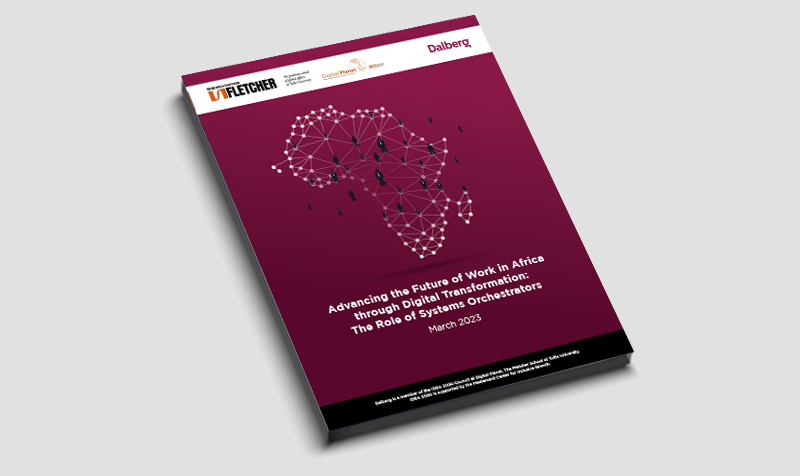
We studied the role of Systems Orchestrators in driving systemic changes on the ground to boost digital ecosystems and create jobs. We found that these orchestrators bring distinct advantages to transforming perceptions in the region.
In collaboration with Dalberg
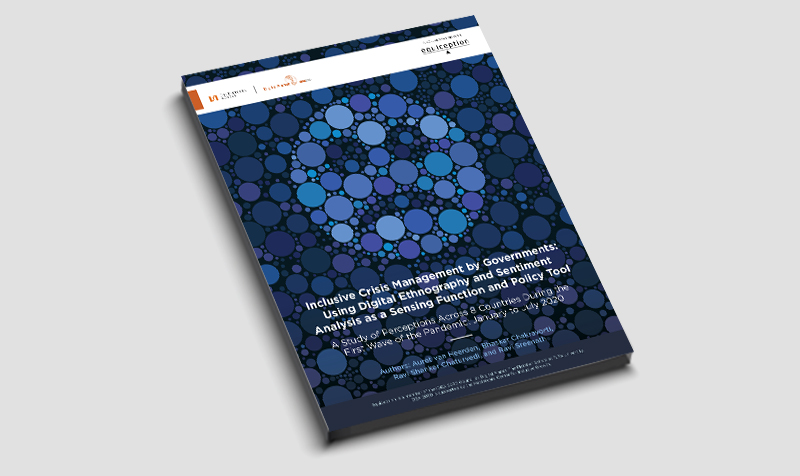
How can real-time social analytics provide a tool for inclusive policymaking? This report uses a dataset of over 873 million online interactions drawn from more than one hundred social and mainstream media channels to analyze public sentiment and emotion in response to the pandemic management of eight governments between January and July 2020.
In collaboration with Equiception
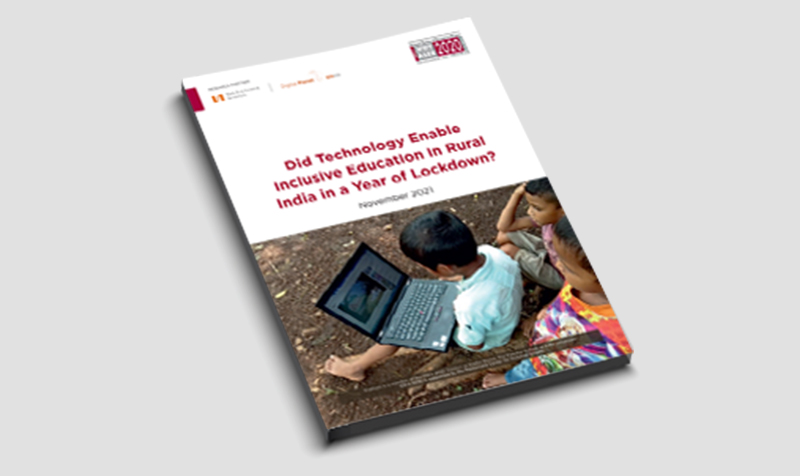
Recent global estimates suggest that school closures and unequal access to technology-based educational inputs used for remote learning will aggravate the existing equity gaps in education. ASER Digital Check 2020 captures information on various dimensions such as children’s sex, their school type, and their parents’ education level to explore this widening equity gap in education in rural India.
In collaboration with ASER Centre, Pratham India
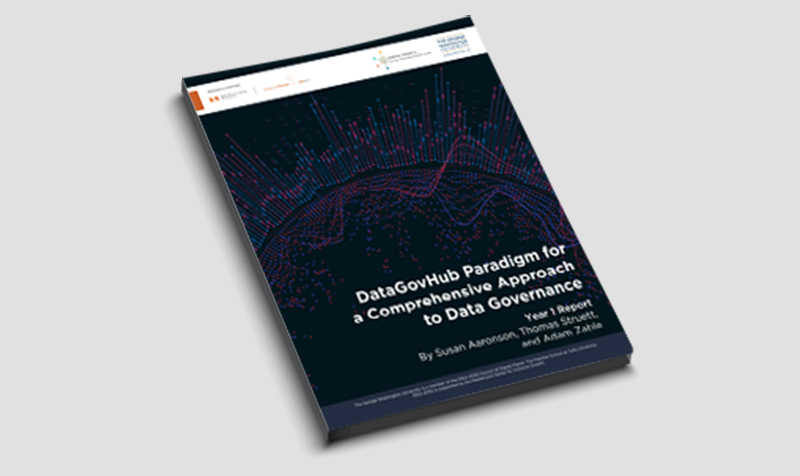
Data governance has become an essential, albeit challenging task for policymakers. They must develop new visions, strategies, structures, policies, and processes. Governments that can accomodate a flexible approach to governing different types of data use and re-use in a responsive, accountable, ethical, and anticipatory manner are likely to build and maintain trust.
In collaboration with the Digital Trade and Data Governance Hub at The George Washington University
Explore our perspectives and conversations with industry leaders on the impact of war on Ukraine’s digital economy.

The under-representation of women in high-paying STEM roles is a vexing issue that exposes a systemic inertia across the industry.


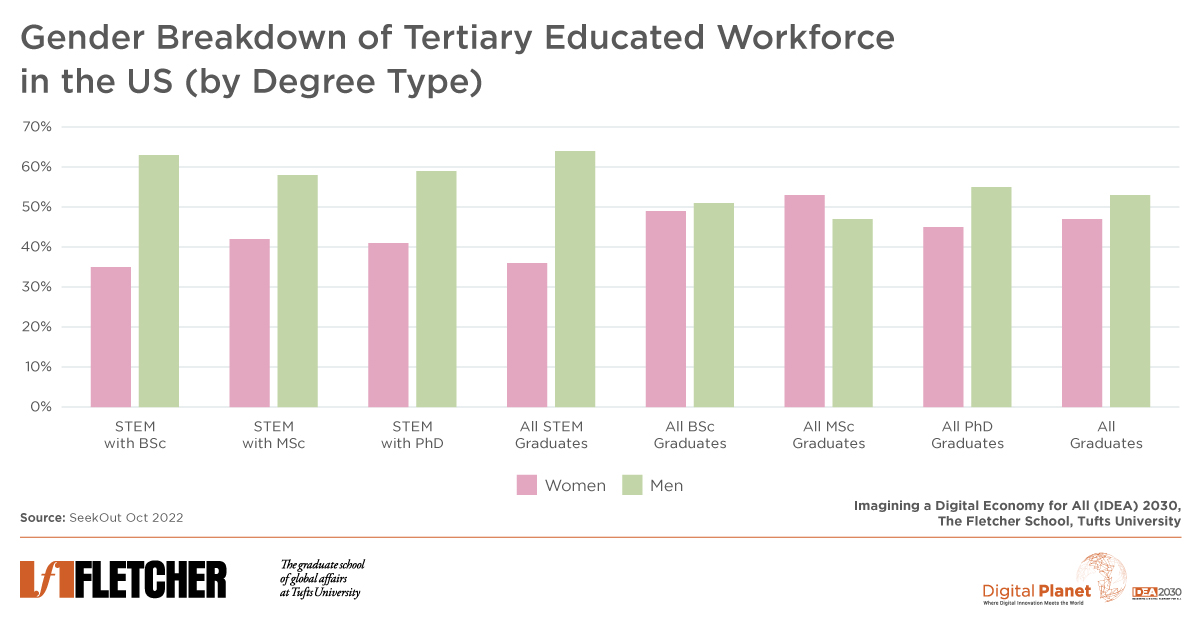
Women remain under-represented in high-paying technical and decision-making roles in STEM professions – a scenario that exposes the Achilles’ heel

The under-representation of women in high-paying STEM roles is a vexing issue that exposes a systemic inertia across the industry.

Leaders from NVIDIA, the World Bank, and the Gates Foundation analyze the intersection of artificial intelligence and global development, weighing the promise of “small AI” against the reality of a deepening technological divide.
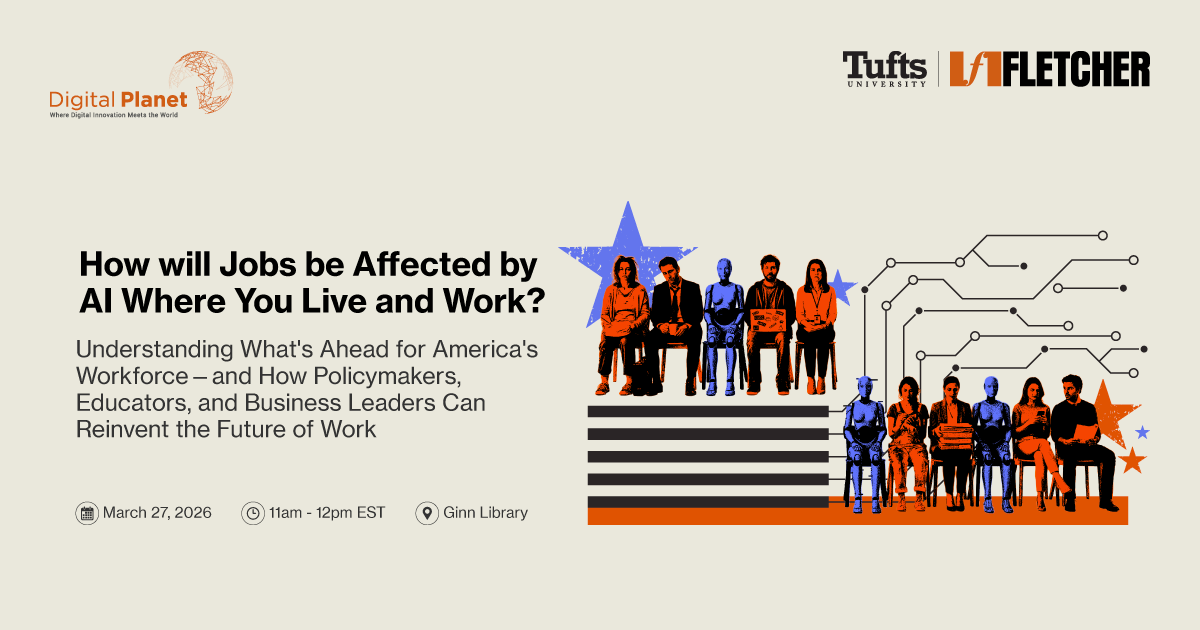
Understanding What’s Ahead for America’s Workforce—and How Policymakers, Educators, and Business Leaders Can Reinvent the Future of Work
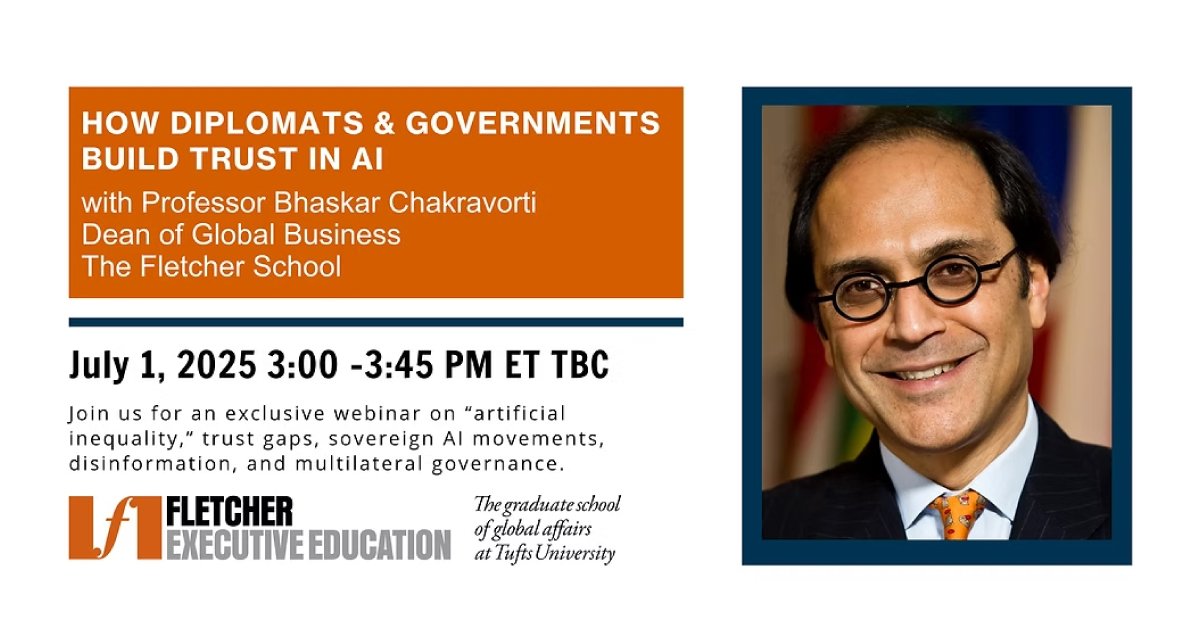
Artificial intelligence is transforming our systems of access, knowledge, and trade relations in an already changing world order. Join us for an exclusive webinar with Digital Planet Chair Bhaskar Chakravorti, exploring the role of “trust” in AI, including concerns such as “artificial inequality,” the regulatory landscape, sovereign AI movements, trust gaps, disinformation, and AI in asymmetric warfare.
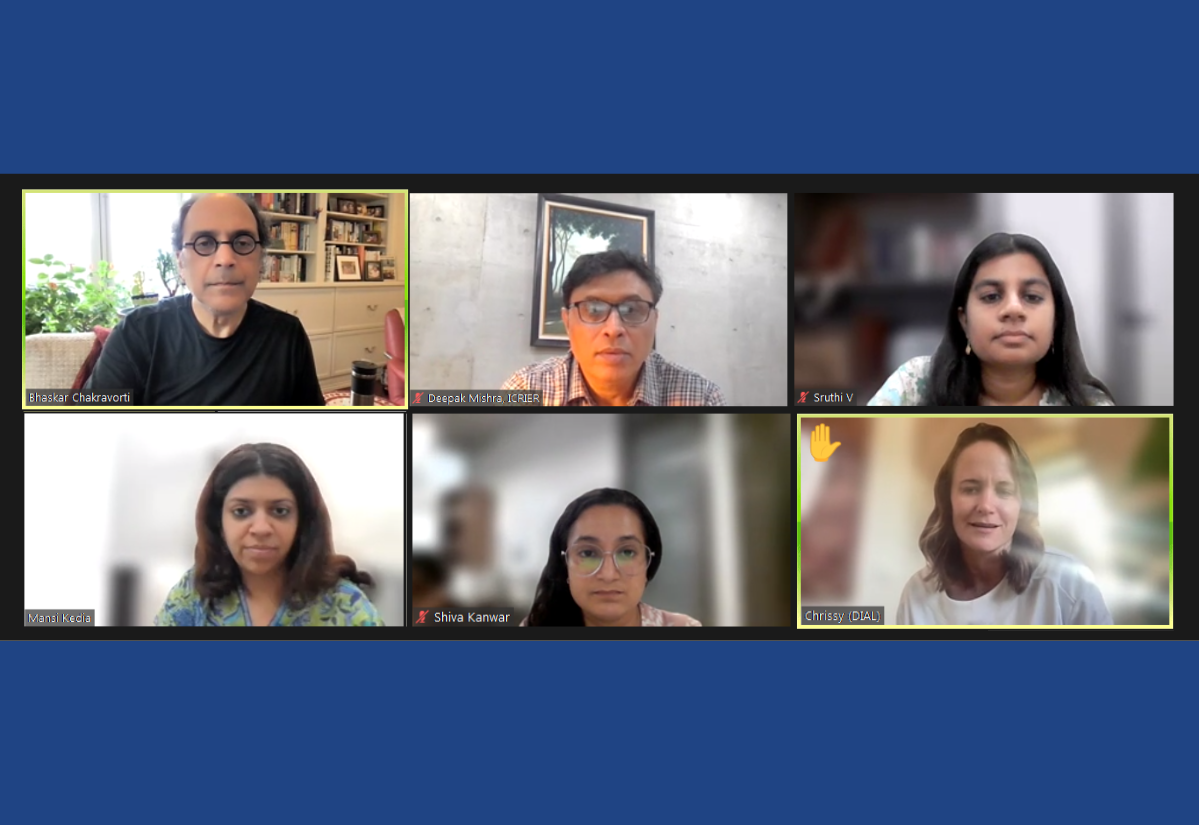
ICRIER featured Bhaskar Chakravorti and other experts discussing how Digital Public Infrastructure and AI can advance sustainable development through inclusive policy and innovation.

Join us on Feb 07, 2025 at the Joyce Cummings Center for a student-led symposium exploring how tech/AI is shaping the future of international business under new American leadership. Hear from top experts, discuss global trade, AI’s impact, and gain valuable insights.
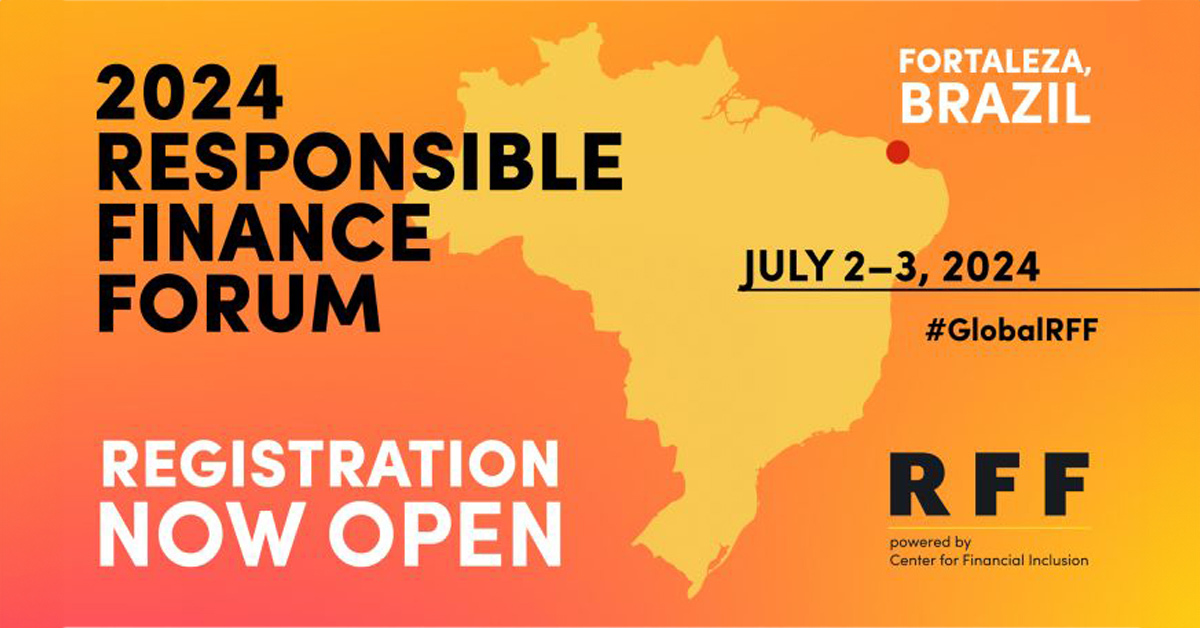
The 2024 Responsible Finance Forum in Fortaleza, Brazil will kickstart the conversations needed to spark systems-level change and achieve the responsible and equitable delivery of quality financial services, all while aiming to obtain the desired outcomes of safety, choice, trust, voice, and improve. Digital Planet is a thought partner for the session.

Food security is among the most pressing issues facing the world today. The International Fund for Agricultural Development’s (IFAD) 47th annual meeting will be held on February 14 and 15. Bhaskar Chakravorti joins IFAD’s Governing Council for an in-depth discussion on innovating for a food-secure future.