|
|
|

|
The Messi Test and how the Spaniards messed with it:
what the World Cup final taught me about the jobs AI can’t touch: Bhaskar Chakravorti
|
|
Fortune
|
|
Drawing on the 2026 World Cup final—where technology saturated the spectacle—Bhaskar Chakravorti introduces the Messi Test: a framework for identifying which jobs AI can’t easily displace. Human work is safest when it rests on tacit knowledge, demands improvisation in open-ended environments, derives value from authentic human presence, and operates within trust gaps requiring human validation. Spain’s victory revealed a fifth attribute: collective systems can outperform individual genius. The implications for workforce strategy are profound—invest in organizations, train human co-pilots, and retire reflexive reskilling orthodoxy.
|
|
|
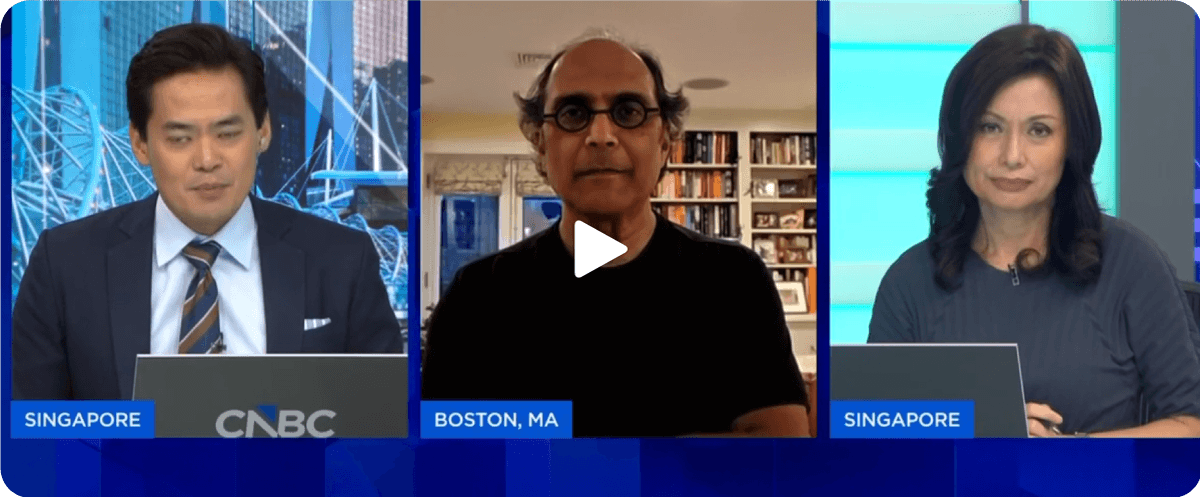
Upskilling for workers cannot keep up with the speed of AI-driven disruption: Interview with Bhaskar Chakravorti
|
|
CNBC
|
|
Amidst the rehiring and growing jobs in the US, Bhaskar Chakravorti argues we are in the “eye of the hurricane”—and traditional upskilling can’t keep pace with AI’s velocity. The bull’s-eye for replacement is high-order white-collar jobs, which are pretty high up in the cognitive chain; retraining workers for these positions is an outdated solution to a new problem. CEOs must weather short-term pressure and plan over a five-year horizon. He calls for mandatory corporate disclosures on AI deployment, workforce displacement, and transition plans—plus regulatory accountability for environmental and community impact.
|

|
This Industrial Revolution Is Not Like the Last One:
Bhaskar Chakravorti
|
|
Foreign Policy
|
|
The same week SpaceX’s IPO minted the world’s first trillionaire, U.S. workers learned they had lost a year and a half of wage gains. Policymakers are reaching for the automation-era playbook to manage the fallout, but Bhaskar Chakravorti argues that it will not hold: 9.3 million U.S. jobs are at risk within five years, rising to 19.5 million with faster adoption, threatening up to $1.5 trillion in income. The fix calls for treating skilling as anticipatory immunity, delivered before exposure rather than after, alongside a way to share the productivity gains more widely—AI dividend—an idea that has produced an unlikely convergence among figures as far apart as Donald Trump, Steve Bannon, and Bernie Sanders.
|
|
|
|
|
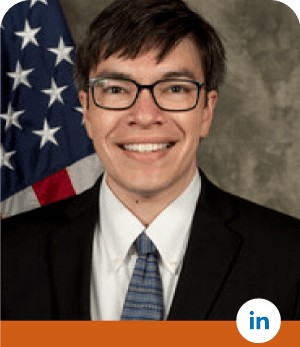
Christopher Marks
|
|
|
I’VE BEEN WORKING ON
|
|
Collecting, documenting, and transforming geospatial data relating to various potential indicators of AI readiness at the subnational level.
|
|
AN INSIGHT I DISCOVERED
|
|
The amazing amount of freely available open-source data that can be used for spatial analysis.
|
|
I’M PASSIONATE ABOUT
|
|
Using data - spatial and otherwise - to better understand our world and help address pressing issues.
|
|
|
|
|
|
|
Impactful research requires resources.
|
|
Support our work at Digital Planet through a donation.
|
|
Click on “Contribute” and select “Digital Planet” as the designation.
|

|
|
|
|
|
|
|
|
|
|
|

|
|
|