
live blackjack in kansas: an overview
Live blackjack is now a staple of the U. S.online gaming scene, and Kansas follows suit. The state blends clear regulations, eager players, and modern tech to build a nebraska-casinos.com lively market for live‑dealer games. Brick‑and‑mortar venues in Wichita, Topeka and Lawrence still pull crowds, but digital platforms with real‑time dealers give Kansans the option to play from home or on the move.
Here we look at how the state’s rules influence online blackjack, break down the market size and future outlook, and review the tech and UX that drive today’s live dealer experience. We’ll also cover betting mechanics, house edge, and how various player groups engage. After reading, you’ll know why Kansas matters to operators and players alike.
regulatory landscape for online gambling in kansas
The Kansas Gaming Commission ensures all live blackjack games meet strict security standards: website. Kansas has taken a cautious but open approach to online gambling. In 2019 the Kansas Gaming Commission released guidelines that let licensed operators offer casino games, including live blackjack, as long as they meet strict security and anti‑money‑laundering standards.
| Regulation | What it means |
|---|---|
| Licensing | Operators must hold a valid Kansas Gaming Commission license. |
| Geolocation | Players must be physically inside state borders; IP blocking is enforced. |
| Payment processing | Only state‑approved processors handle deposits and withdrawals. |
| Responsible gaming | Mandatory self‑exclusion tools, deposit limits and real‑time monitoring. |
This framework balances commercial viability with consumer protection, making Kansas attractive for operators deploying live dealer solutions without excessive compliance hurdles.
market size and growth projections (2023‑2025)
Exact figures for Kansas are proprietary, but industry estimates point to an 8.2% CAGR between 2023 and 2025. Growth is driven by higher mobile usage, better streaming and a growing roster of licensed operators.
- Total gross gaming revenue (GGR): $210 million (2023) → $260 million (2025)
- Player base: 1.2 million active users (2023) → 1.6 million (2025)
- Average revenue per user (ARPU): $175 (2023) → $190 (2025)
Live blackjack represented about 28% of total GGR in 2023, up from 24% in 2022.
casino platforms and technology adoption
Live blackjack platforms combine HD video, low‑latency networks and secure payments. Kansas operators usually partner with top iGaming vendors such as Evolution Gaming, NetEnt Live and Pragmatic Play Live. These partners deliver dealer studios and backend software that handles table limits, shuffling and analytics.
A recent survey found that 67% of Kansas operators use Evolution Gaming’s suite, citing easy integration. The remaining 33% blend in‑house development with third‑party modules to tweak interfaces and betting options.
player demographics and behavior trends
| Demographic | % of Players | Preferred platform |
|---|---|---|
| 18‑29 | 28% | Mobile |
| 30‑44 | 34% | Desktop |
| 45‑60 | 22% | Desktop |
| 60+ | 16% | Mobile |
Live blackjack especially attracts the 30‑44 group, who enjoy the social element of a live dealer and familiar casino rules. Younger players favor mobile apps that offer quick access and bonuses.
Casual players spend 30-60 minutes per session, while seasoned players often exceed two hours. Operators use these patterns to set session limits and reward tiers.
betting mechanics and house edge analysis
Live blackjack’s appeal partly comes from its low house edge compared to other casino games. Standard European rules – dealer hits on soft 17, no surrender, single deck – give a theoretical advantage of about 0.57%. Skilled players using optimal strategy can bring it below 0.3%.
Live blackjack in kansas provides user reviews on live blackjack experiences in Kansas. Side bets like Perfect Pairs add a house edge of 6.5%, raising overall risk.
| Table | Minimum bet | Maximum bet |
|---|---|---|
| Low | $5 | $50 |
| Mid | $50 | $200 |
| High | $200 | $1,000 |
Operators adjust limits seasonally based on traffic and volatility.
mobile vs desktop play: user experience insights
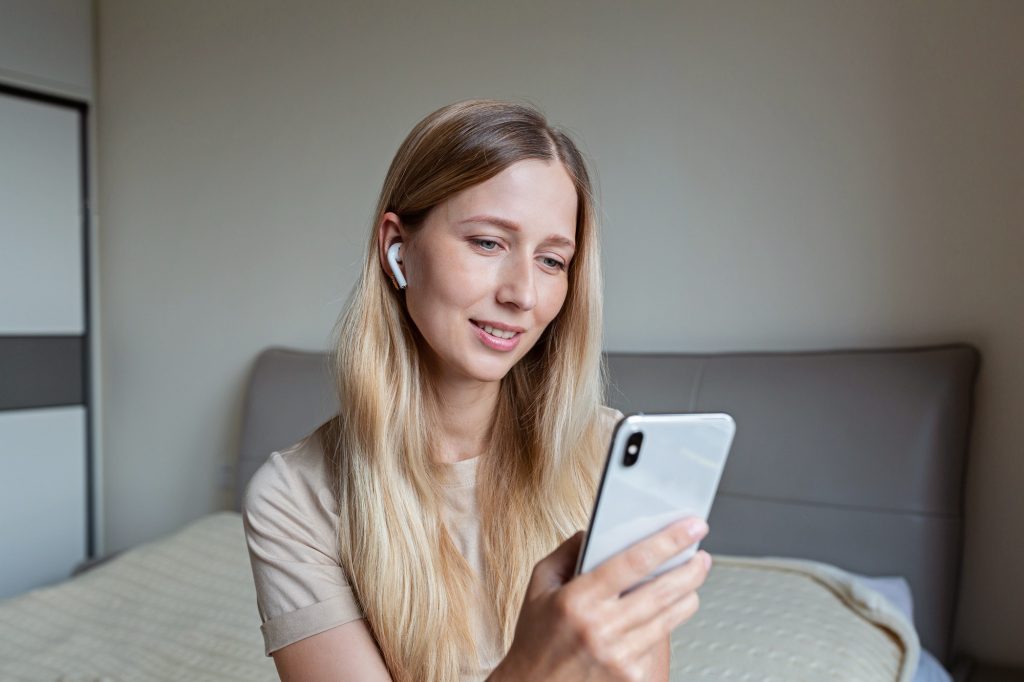
Choosing mobile or desktop changes the live blackjack experience. Desktop users get larger screens, multi‑window support and higher resolution streams, helping them track card history and dealer cues. Mobile players value convenience and a UI that works on small screens.
Mike, a 38‑year‑old accountant, sticks to desktop. He plays about 90 minutes each night at a mid‑stakes table, uses several tabs to follow odds and strategy charts, and averages $220 per month. Sara, a 27‑year‑old graphic designer, plays on mobile. She takes short 15‑minute sessions during lunch across various tables and brings in about $120 monthly.
Desktop players may generate higher per‑session revenue, while mobile users widen reach and foster brand loyalty.
further reading
For a deeper dive into the technical aspects of live dealer platforms and the latest regulatory updates, visit Blackjack in Kansas Casinos.