
Global Digital Inclusion: Progress to Parity Scorecard 2024
The under-representation of women in high-paying STEM roles is a vexing issue that exposes a systemic inertia across the industry.


The under-representation of women in high-paying STEM roles is a vexing issue that exposes a systemic inertia across the industry.
Innovative businesses are key to sustainable development. This research highlights three companies: Husk Power Systems (sustainable energy), Nexsis (solar panels for essential services), and ThredUp (secondhand e-commerce). Insights emphasize the value of pay-as-you-go models, digital tech’s role in sustainability, women’s empowerment via regenerative tech, the need for government support in renewables, and maintaining consumer demand.
In this second edition of the case compendium, we cover three
enterprises working in the education technology (ed-tech)
and upskilling industry in three distinct emerging markets.
IDEA 2030’s report studies the link between digital inclusion and innovation. Key insight: As more join the digital economy, value creation focuses on affluent users, widening digital disparities. Policy interventions are needed for inclusive innovation.
The under-representation of women in high-paying STEM roles is a vexing issue that exposes a systemic inertia across the industry.
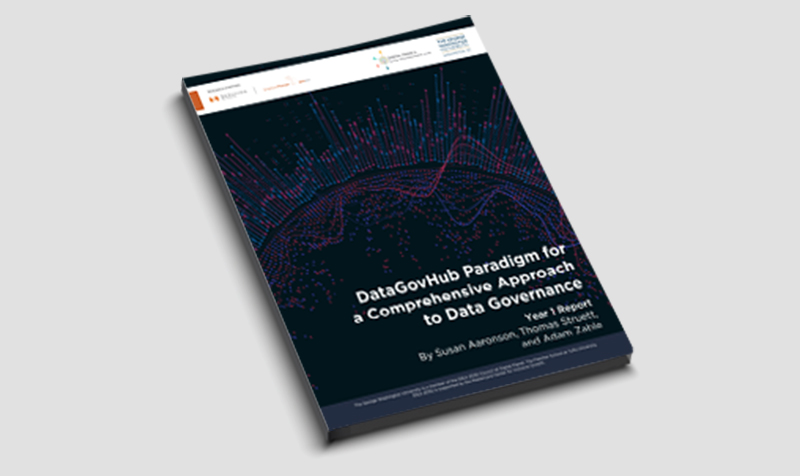
Policymakers face the challenge of governing diverse data effectively to build trust in a flexible, ethical, and accountable manner.

We present Progress to Digital Parity—an interactive scorecard that tracks the journey towards realizing the goal of a digital economy for everyone, everywhere.

The needs of the global sustainable development agenda are both broad and urgent, and innovation models are central to addressing them in a timely, efficient, and scalable manner, from promoting inclusive growth and ensuring the longevity of natural resources to addressing issues across the state of the human condition.
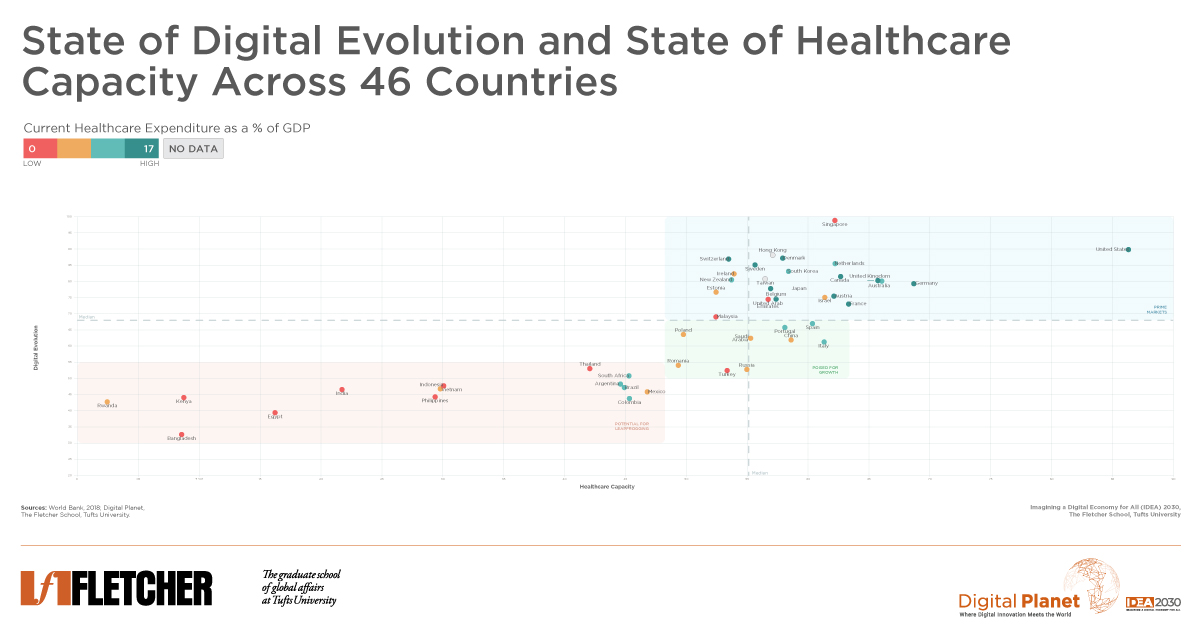
Global healthcare digitization varies wildly. Our study in 46 countries identifies virtualized healthcare opportunities, enabling lagging nations to leapfrog with digital tools for quality care.

An interactive research report that indexes trust in the digital economy and its evolution across 90 economies during the COVID-19 pandemic. This report features a collaborative research platform that provides data and evidence-driven actionable insights to leaders in government, business and technology.
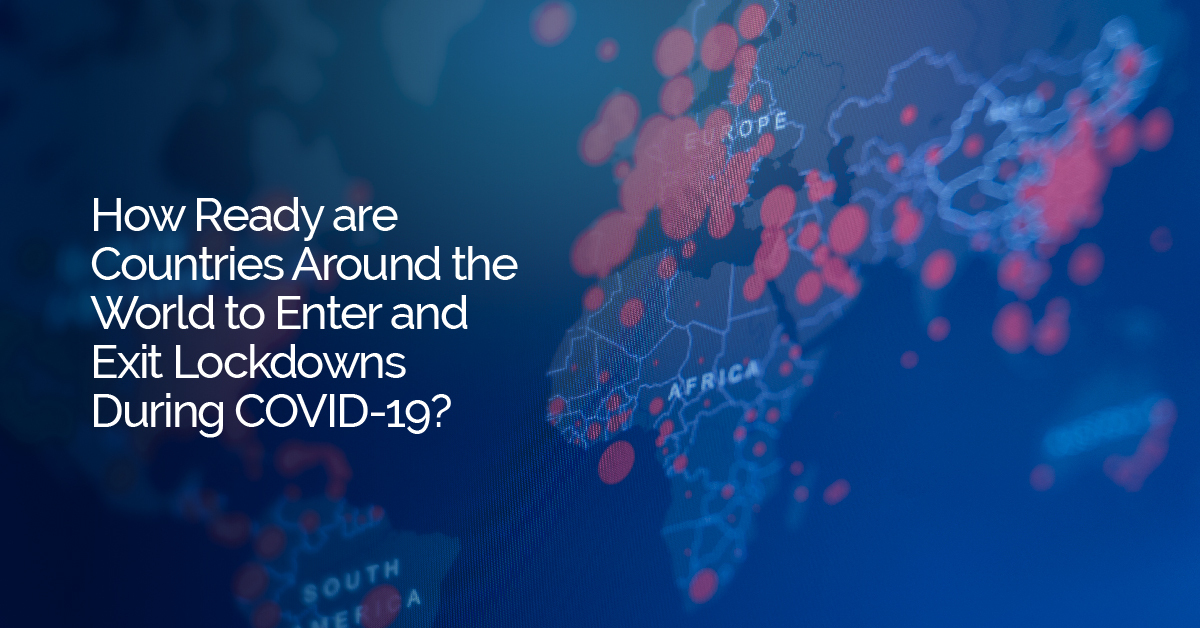
A Social Distance Readiness analysis of 42 countries measuring the robustness of their digital platforms; resilience of internet infrastructure to traffic surges; proliferation of digital payments options and percentage of workforce able to telecommute.

If the yardstick of effectiveness of any scorecard or ranking were tangible efforts, by those graded, to “improve bad ratings or maintain good ones,” few come even remotely close to the World Bank’s annual Doing Business survey.