
American AI Jobs Risk Index
Fletcher’s Digital Planet at Tufts University has launched the American AI Jobs Risk Index, data-driven report that maps how AI could impact jobs across occupations, industries, cities, and states in the U.S.


Fletcher’s Digital Planet at Tufts University has launched the American AI Jobs Risk Index, data-driven report that maps how AI could impact jobs across occupations, industries, cities, and states in the U.S.

From vulnerable data centers to rising energy costs, the Iran war is revealing the structural fragilities that could finally pop the AI industry bubble.

AI’s growth story is now facing its biggest stress test: geopolitical conflict, chip supply vulnerabilities, and rising market speculation are turning bubble fears into a serious economic risk.

Combining critical thinking with AI literacy is the key to securing future roles, according to Tufts Dean Bhaskar Chakravorti in the new AI Jobs Risk Index.

A new study warns 9 million U.S. jobs face AI displacement by 2031. See the American AI Jobs Risk Index list of the most—and least—vulnerable occupations.

The “Wired Belts” are the new Rust Belts. A Tufts study warns 9.3M jobs and $757B in income are at risk from AI. See if your city or career is on the danger list.

New study predicts AI could displace 9 million US workers in 5 years. Discover which 33 “tipping point” jobs are most at risk and how to stay ahead of the bots.

Digital Planet’s AI Jobs Risk Index provides a data-driven map of U.S. job displacement. Discover the 33 “tipping point” occupations most at risk from AI tools.
Digital Planet Chair Bhaskar Chakravorti decodes the implications of these dynamics by drawing attention to historic crises that emerged because of a lack of purposeful direction and uncontrolled spending.

Tufts University’s new American AI Jobs Risk Index reveals up to 9.3 million US jobs face displacement, with high-skill knowledge workers in major tech hubs most at risk.
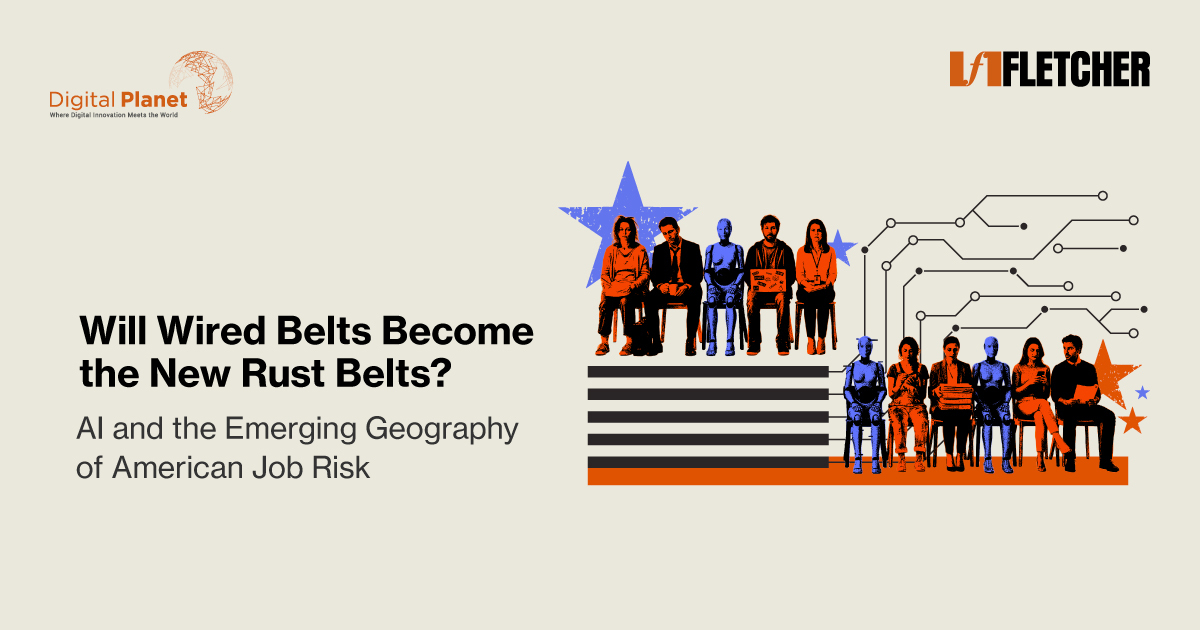
AI is set to upend America’s white-collar map, putting 9.3M jobs and up to $1.5T in income at risk—especially in wired, high-skill hubs.

At the NXT Summit, Bhaskar Chakravorti explains why shifting from ‘Big AI’ to targeted ‘Small AI’ is the ultimate key to driving inclusive global growth and solving real problems.

Digital Planet Chair Bhaskar Chakravorti sits down for a candid chat with the Indianness Podcast, recounting his academic journey, his learnings from global businesses and leaders, and, most importantly, the impact of Artificial Intelligence when it can be funnelled into solutions for every citizen

India’s economy continues to expand rapidly, but the benefits of this growth remain uneven. Much of the consumption and economic momentum is concentrated among higher-income groups, highlighting widening disparities across income segments and sectors.
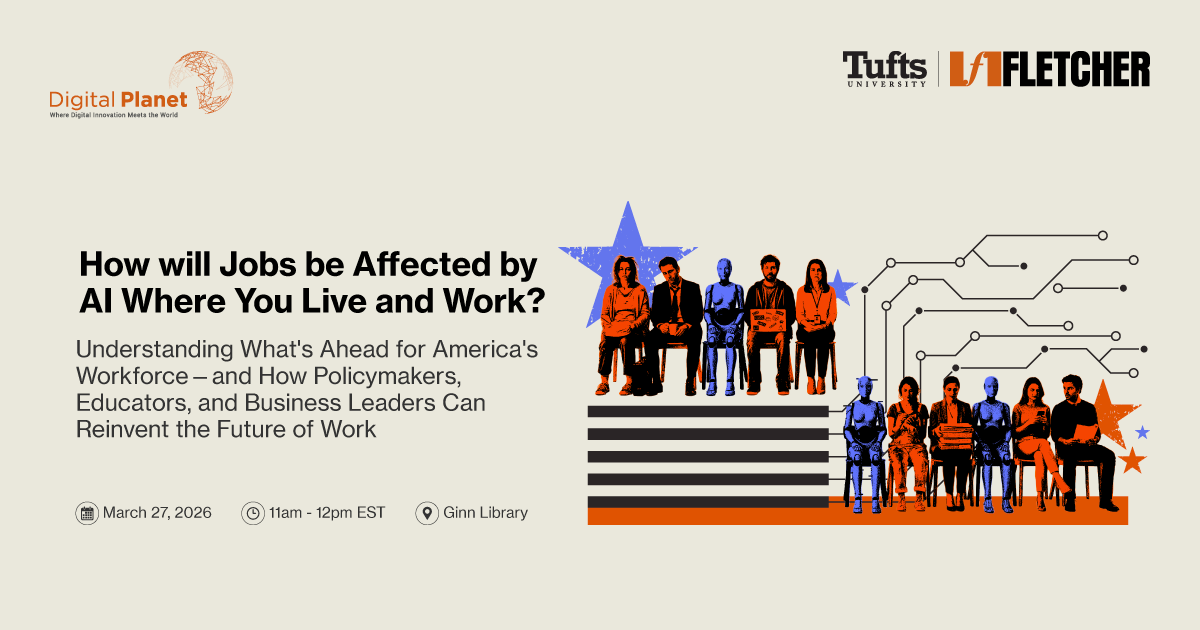
Understanding What’s Ahead for America’s Workforce—and How Policymakers, Educators, and Business Leaders Can Reinvent the Future of Work