
Global Digital Inclusion: Progress to Parity Scorecard 2024
The under-representation of women in high-paying STEM roles is a vexing issue that exposes a systemic inertia across the industry.


The under-representation of women in high-paying STEM roles is a vexing issue that exposes a systemic inertia across the industry.
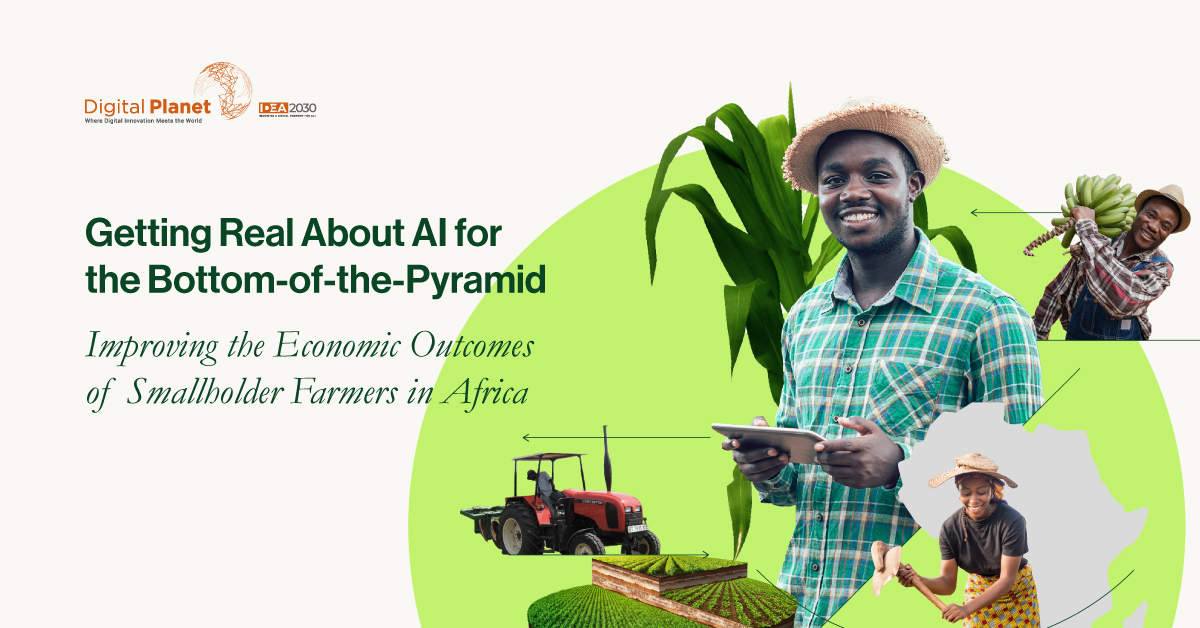
Sub-Saharan Africa’s agriculture, dominated by smallholders, struggles with low productivity. AI tools like Crop AI offer scalable solutions, potentially generating $6.1 billion in revenue, impacting millions of farmers, and advancing education, aligning with sustainable development goals.
We studied the role of Systems Orchestrators in driving systemic changes on the ground to boost digital ecosystems and create jobs. We found that these orchestrators bring distinct advantages to transforming perceptions in the region.
In collaboration with Dalberg
Innovative businesses are key to sustainable development. This research highlights three companies: Husk Power Systems (sustainable energy), Nexsis (solar panels for essential services), and ThredUp (secondhand e-commerce). Insights emphasize the value of pay-as-you-go models, digital tech’s role in sustainability, women’s empowerment via regenerative tech, the need for government support in renewables, and maintaining consumer demand.

In this second edition of the case compendium, we cover three
enterprises working in the education technology (ed-tech)
and upskilling industry in three distinct emerging markets.
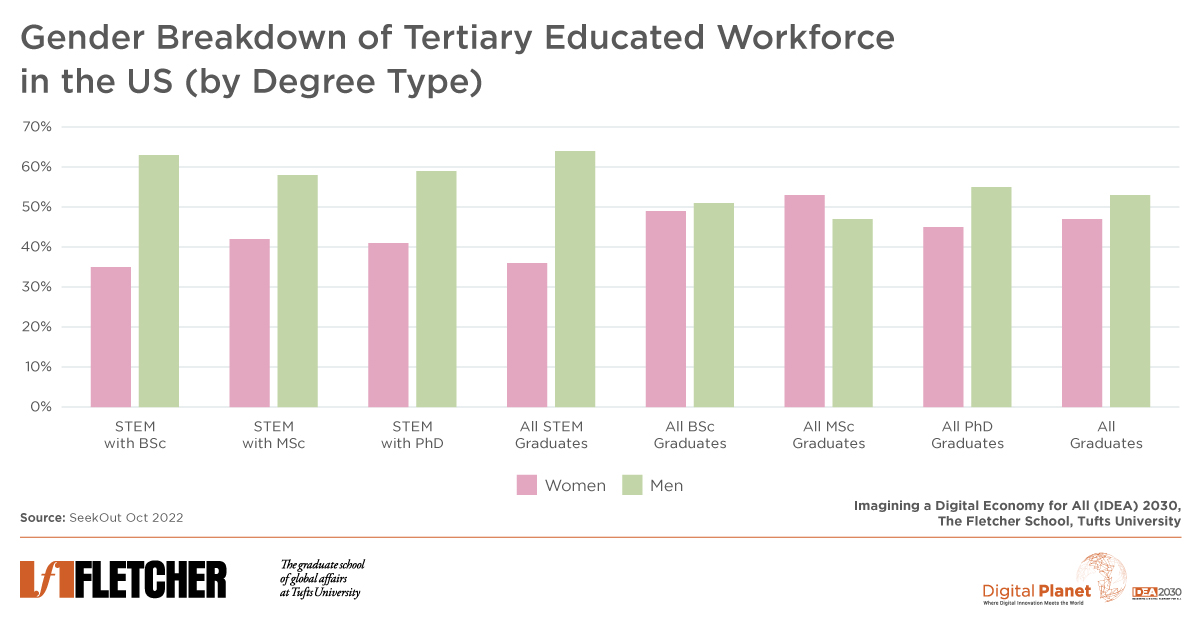
Women remain under-represented in high-paying technical and decision-making roles in STEM professions – a scenario that exposes the Achilles’ heel of the entire technology industry.
IDEA 2030’s report studies the link between digital inclusion and innovation. Key insight: As more join the digital economy, value creation focuses on affluent users, widening digital disparities. Policy interventions are needed for inclusive innovation.
How can real-time social analytics provide a tool for inclusive policymaking? This report uses a dataset of over 873 million online interactions drawn from more than one hundred social and mainstream media channels to analyze public sentiment and emotion in response to the pandemic management of eight governments between January and July 2020.
In collaboration with Equiception
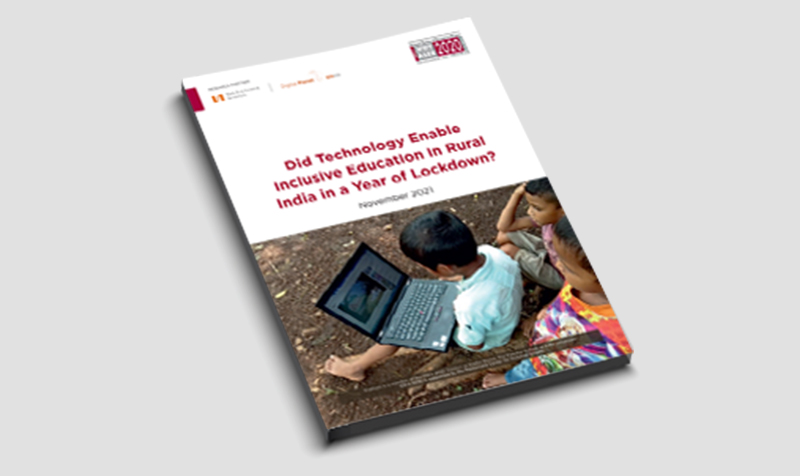
Recent global estimates suggest that school closures and unequal access to technology-based educational inputs used for remote learning will aggravate the existing equity gaps in education. ASER Digital Check 2020 captures information on various dimensions such as children’s sex, their school type, and their parents’ education level to explore this widening equity gap in education in rural India.
In collaboration with ASER Centre, Pratham India
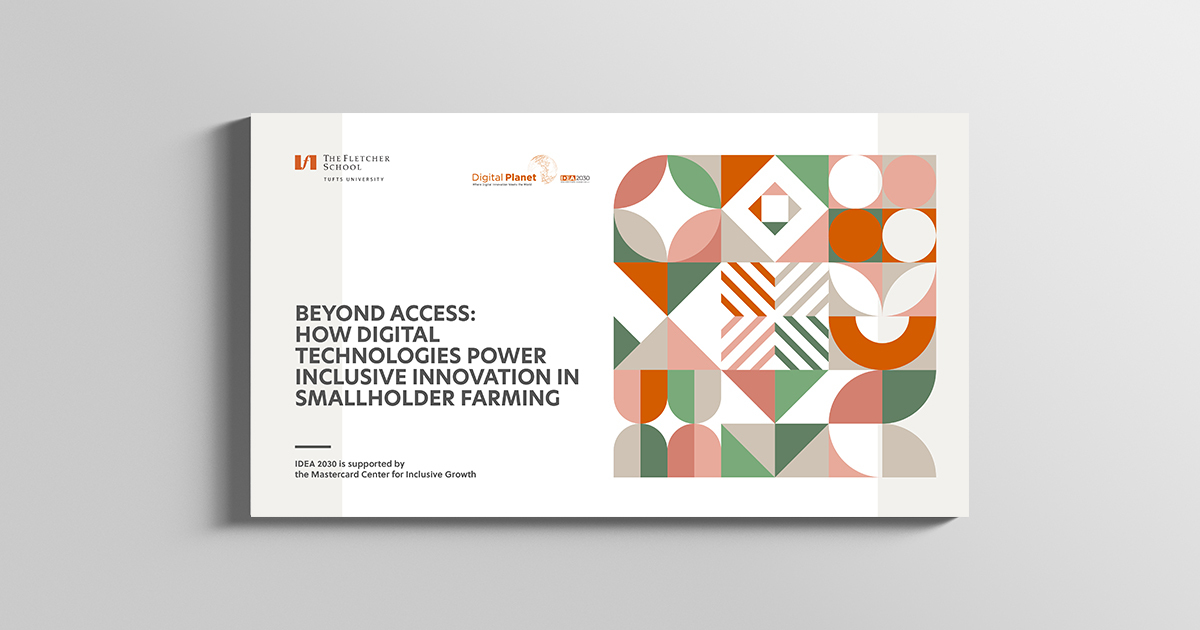
Inclusive businesses use digital tech to advance global sustainability, worth $12-15T yearly. Studies highlight the need for trust, low-tech solutions, and environmental focus.
The under-representation of women in high-paying STEM roles is a vexing issue that exposes a systemic inertia across the industry.

Discover Ukraine’s Resilient Tech Economy Amidst Conflict. President Zelensky prioritizes economic preservation in the face of war, removing obstacles for SMEs. Tech sector fuels growth, accounting for $2B in Q1 2022. Learn how digital infrastructure, contingency plans, tax breaks, and security training contribute to its success. Follow our series ‘Imagining a Digital Economy for All in Ukraine’ to explore insights from industry leaders navigating the challenges. Adaptability, collaboration, and innovation redefine the future of work in a dynamic landscape.
Policymakers face the challenge of governing diverse data effectively to build trust in a flexible, ethical, and accountable manner.
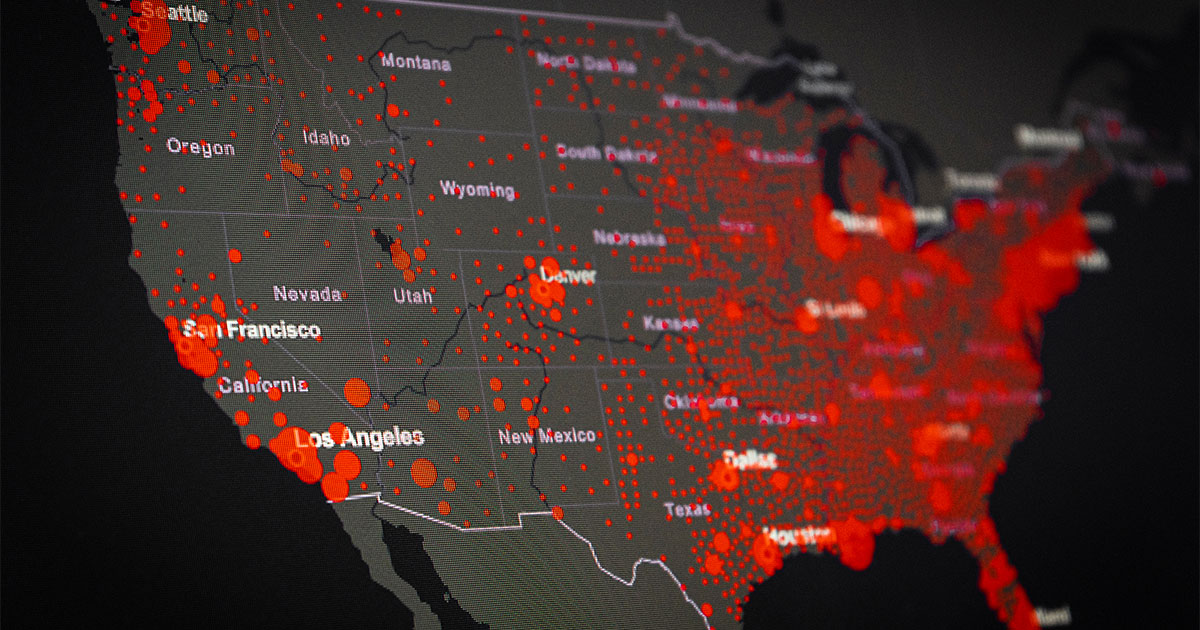
US broadband expansion lowered Covid mortality, especially in metro areas. Internet access is crucial in the public health toolbox.
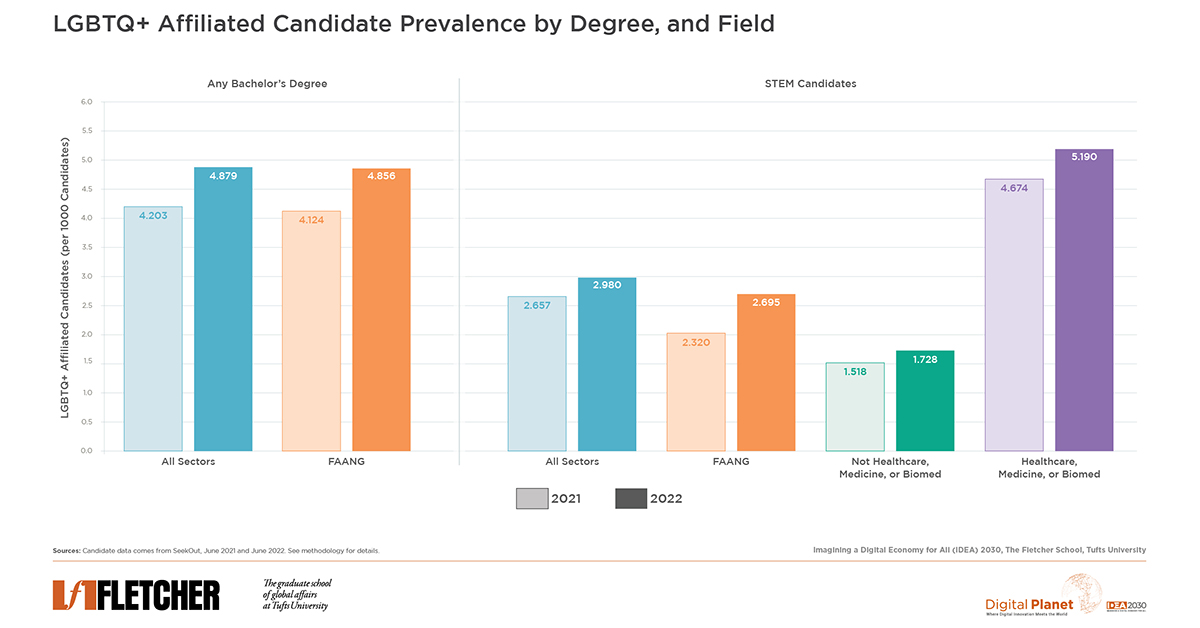
For Pride Month 2022, Digital Planet updates LGBTQ+ representation analysis in STEM. Affiliation disparities persist, with women in STEM and FAANG facing challenges. Younger STEM candidates lag behind college graduates in LGBTQ+ affiliation.
The Infrastructure Investment and Jobs Act allocates $65B to expand US broadband. We advocate a “people over miles” approach for equitable access.

We present Progress to Digital Parity—an interactive scorecard that tracks the journey towards realizing the goal of a digital economy for everyone, everywhere.

The needs of the global sustainable development agenda are both broad and urgent, and innovation models are central to addressing them in a timely, efficient, and scalable manner, from promoting inclusive growth and ensuring the longevity of natural resources to addressing issues across the state of the human condition.
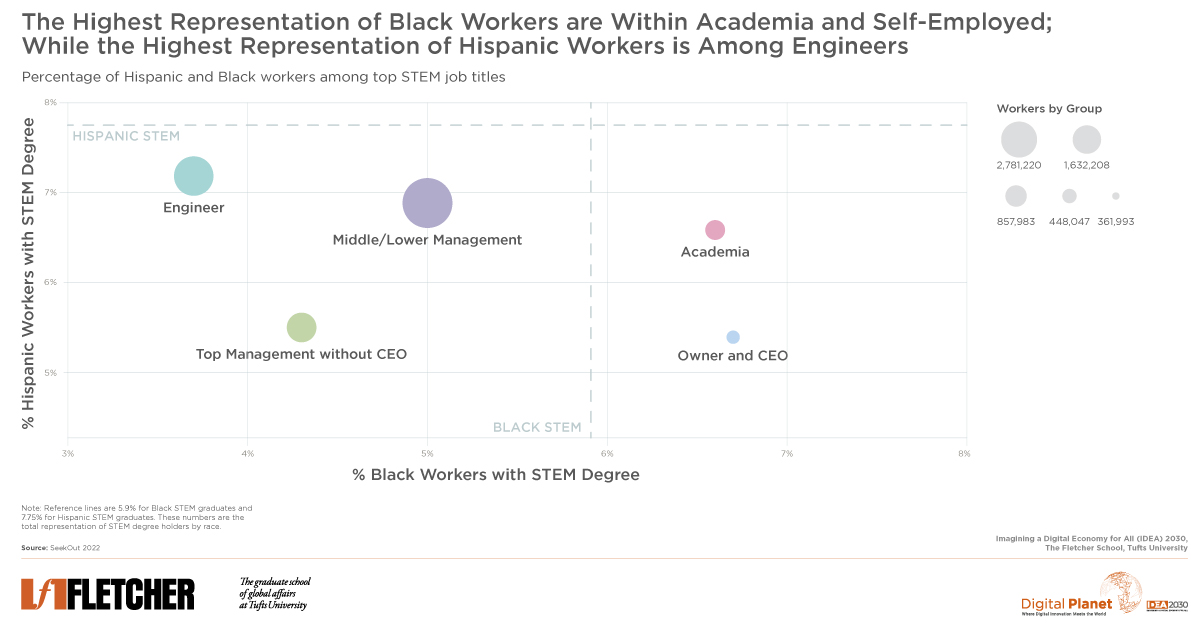
Despite strides in college attainment, Black Americans encounter obstacles in pursuing lucrative careers, especially in high-paying STEM roles within the technology sector.
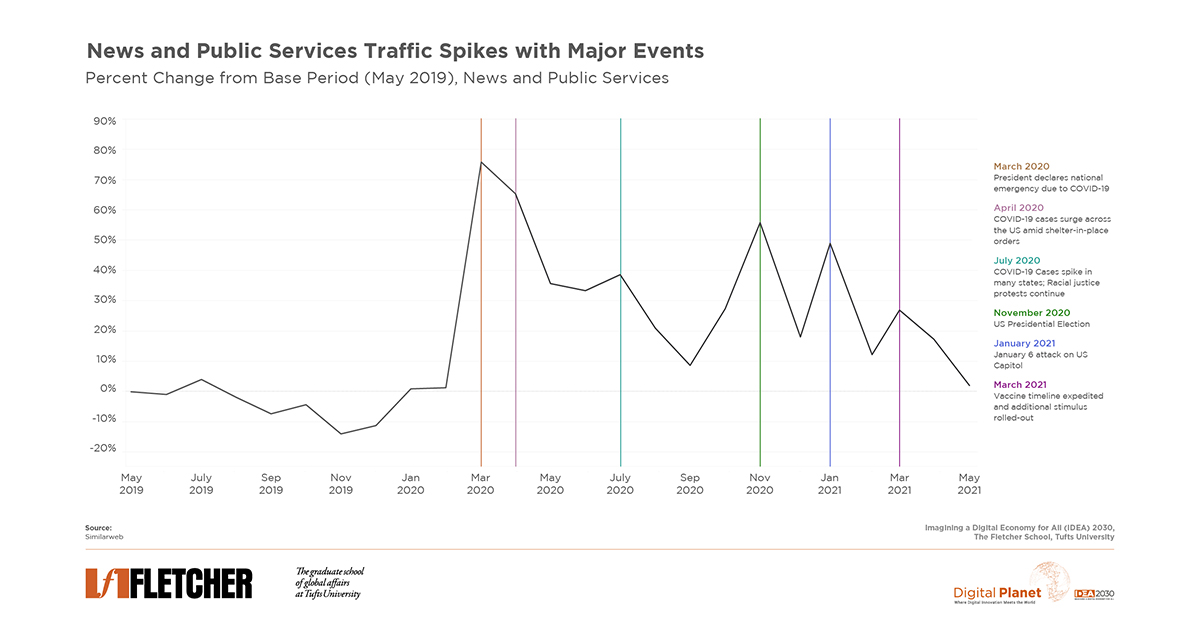
During the online shift, global digital adoption surged, advancing us digitally by 5 years in just 8 weeks.
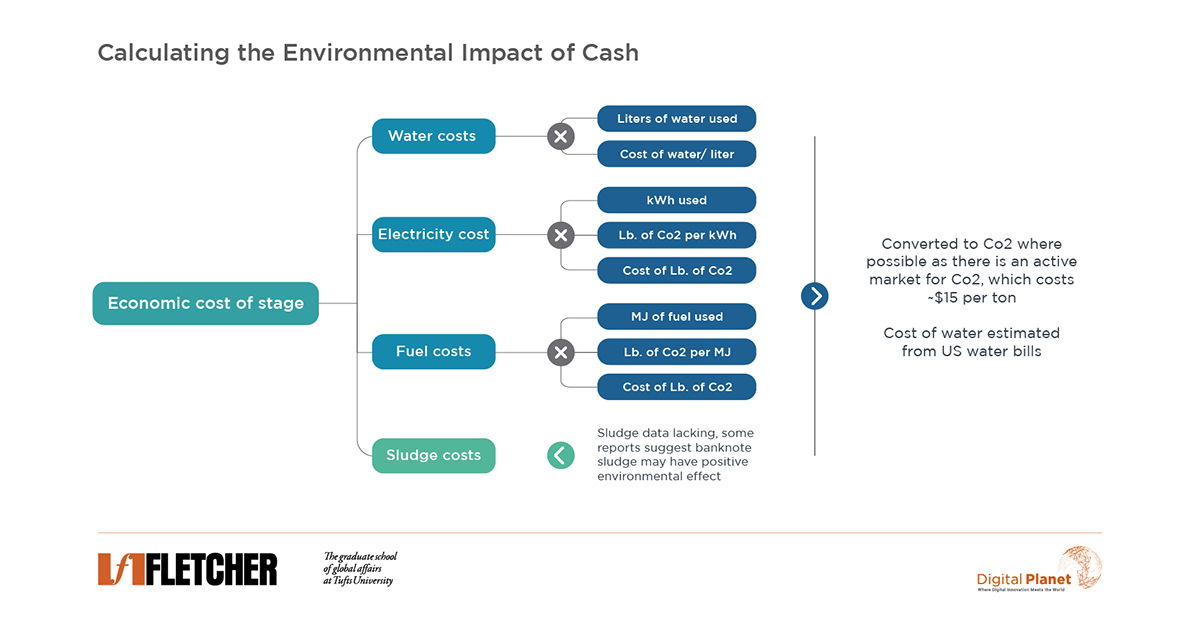
Value storage has costs: US cash notes at $0.26 each vs. Bitcoin’s $70 per coin CO2. Despite Bitcoin’s higher cost, cash notes’ total impact ($12.9B USD) far exceeds Bitcoin’s ($1.3B USD).
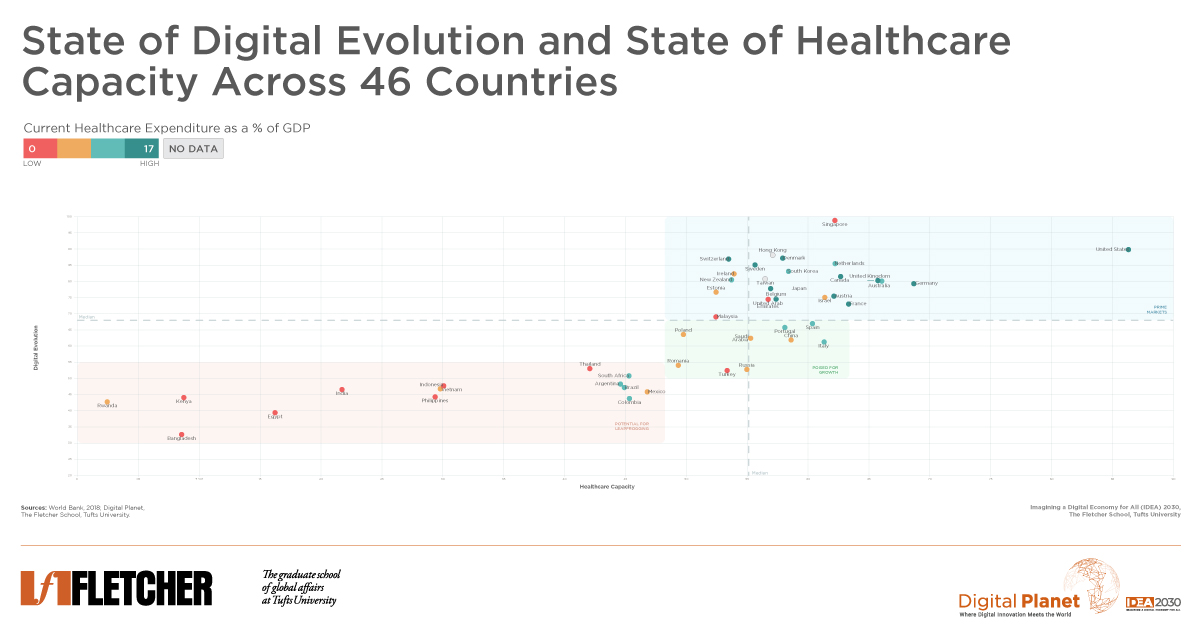
Global healthcare digitization varies wildly. Our study in 46 countries identifies virtualized healthcare opportunities, enabling lagging nations to leapfrog with digital tools for quality care.
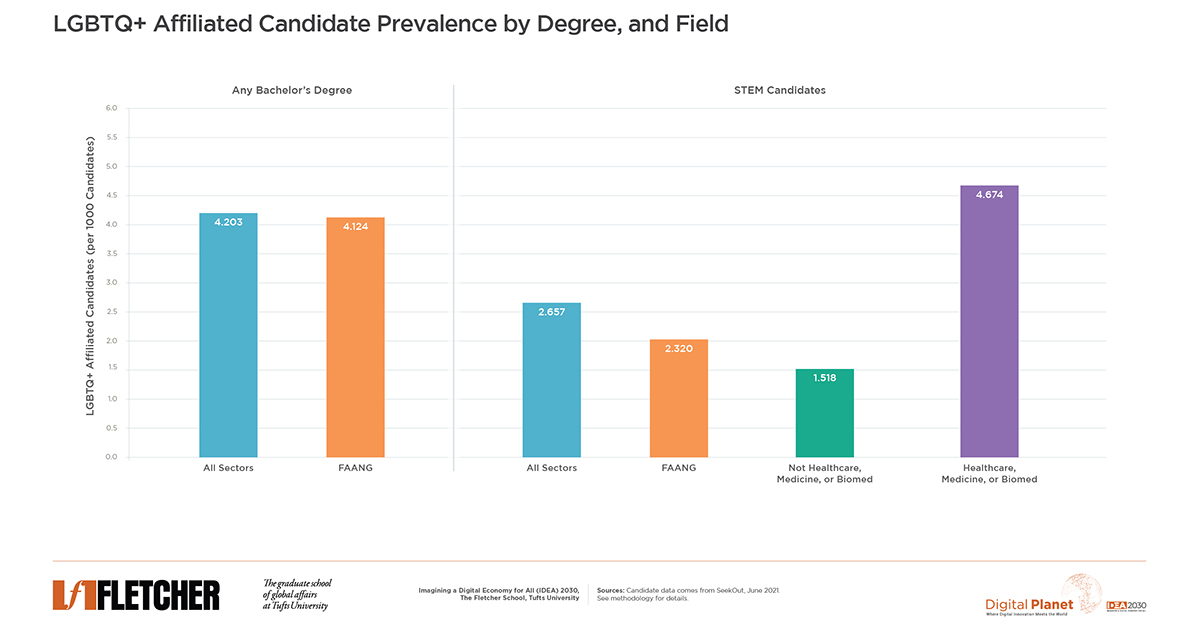
Digital Planet explores LGBTQ+ solidarity in STEM for Pride Month. STEM grads express less LGBTQ+ on resumes. Women in STEM are twice as likely as men to affiliate with the gay community.
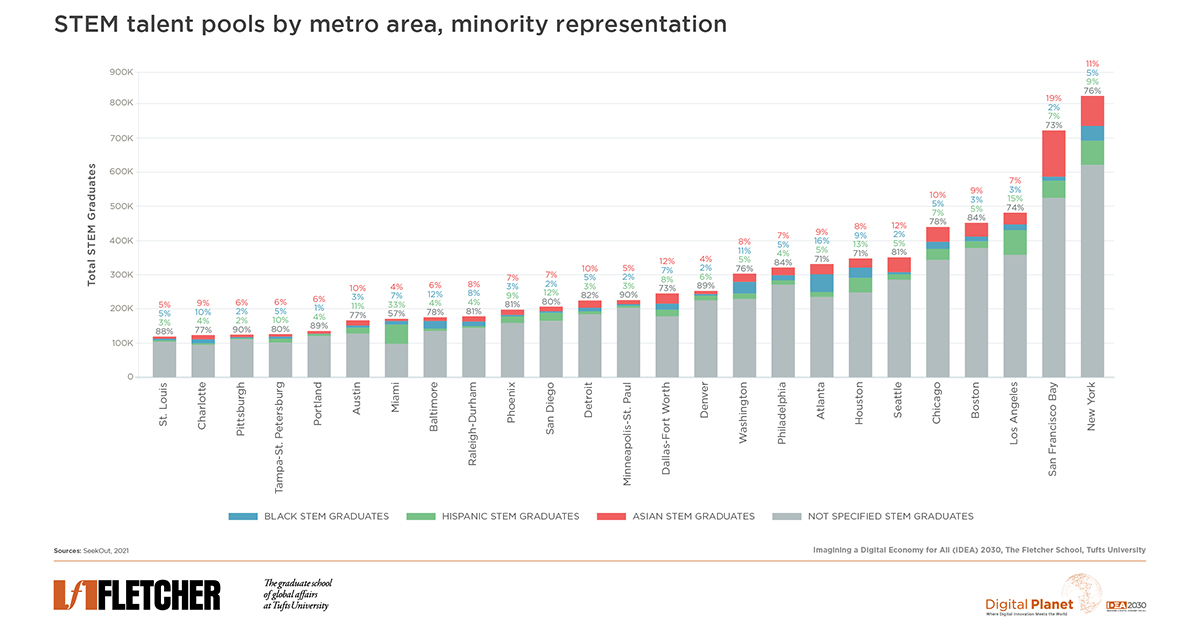
In the evolving work landscape, how can we boost under-represented talent (e.g., Black, Hispanic, female) in high-demand roles? Where can organizations find these diverse pools in major U.S. metro areas?
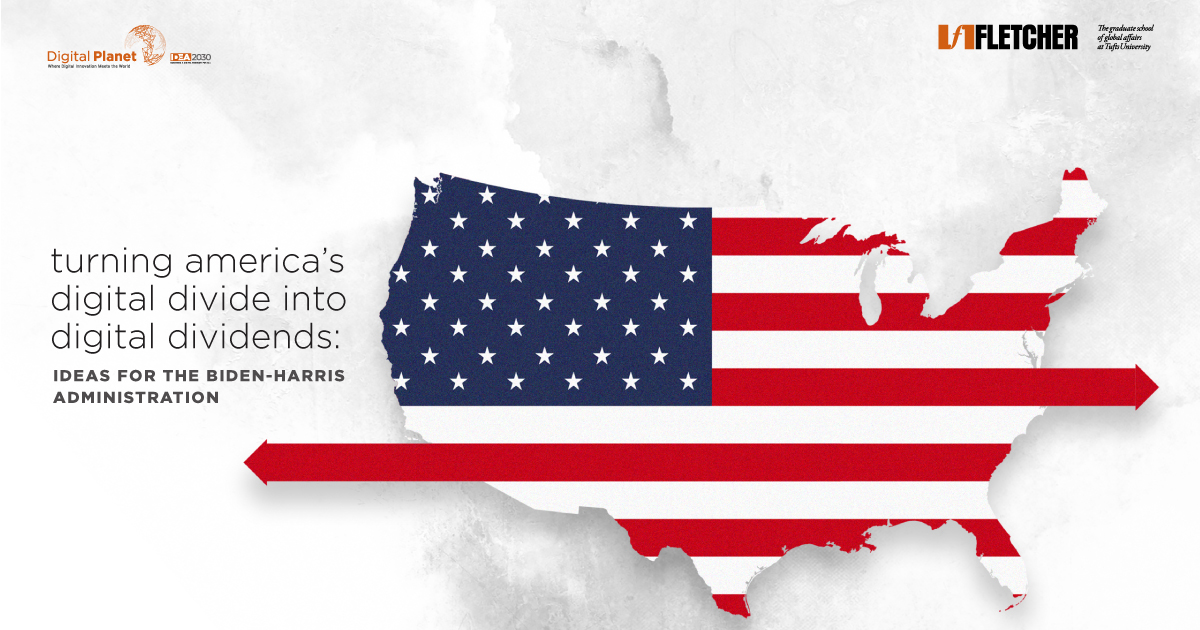
Why are we so divided about the true state of the digital divide in America? What steps might the Biden-Harris administration take to clarify the reality of this divide and move toward closing the gap? This webinar examines how these changes can be transformational for a recovering, yet socially distanced economy.
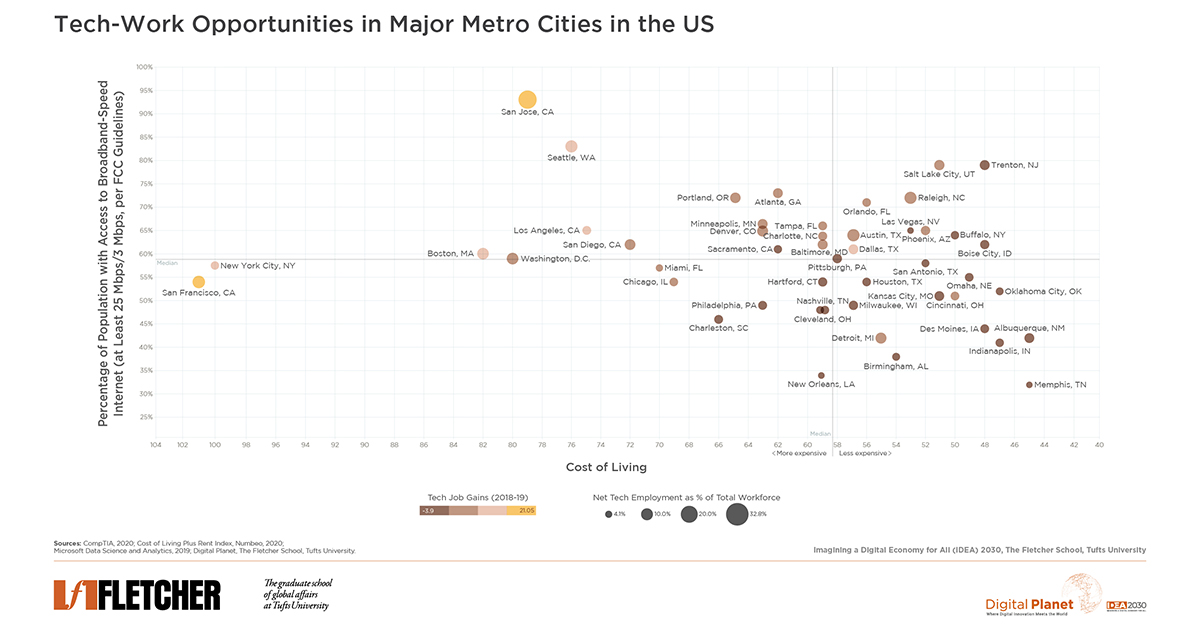
US States expanded telehealth, yet 16 of them face challenges with subpar broadband, hindering digital healthcare access.
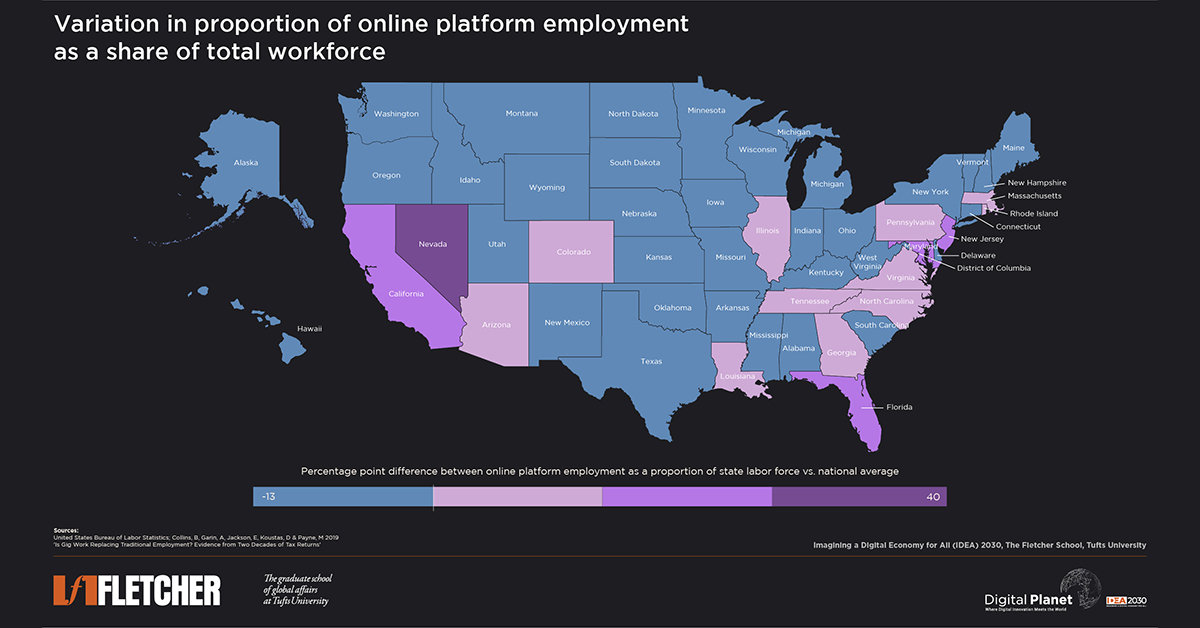
Digitally ready states thrived during the pandemic, leveraging gig workers for essential services. Yet, it revealed disparities and vulnerabilities in the gig economy.
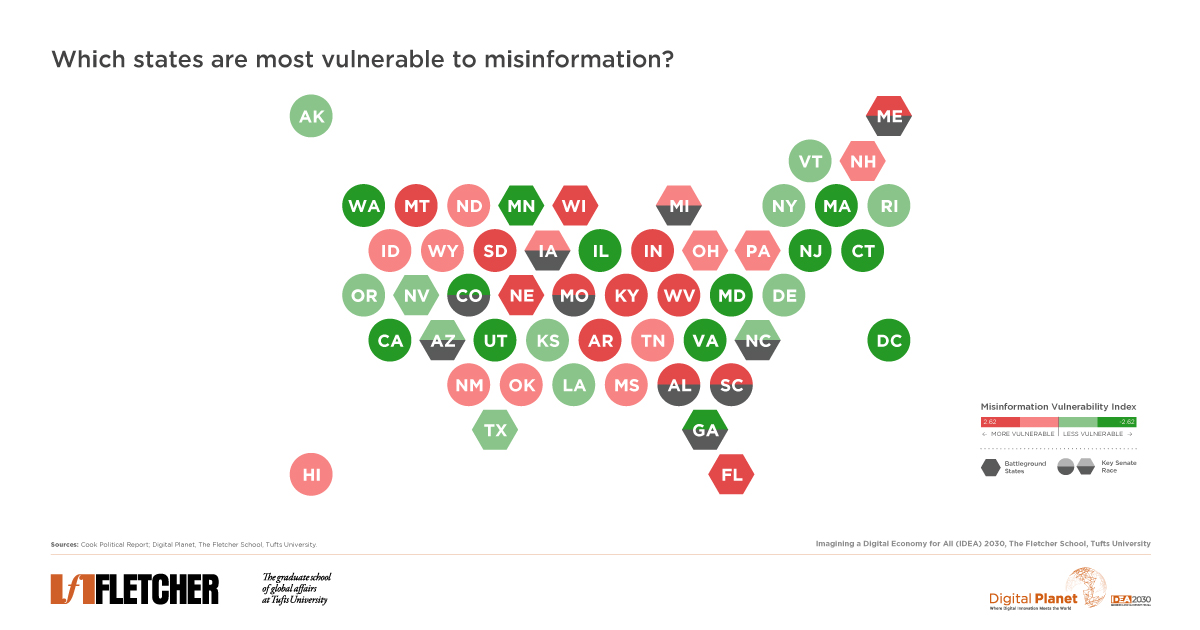
US parties race, relying on digital platforms. Public dependence on social media for news raises concerns about misinformation amid the COVID-19 pandemic, fueling a surge in digital crime.
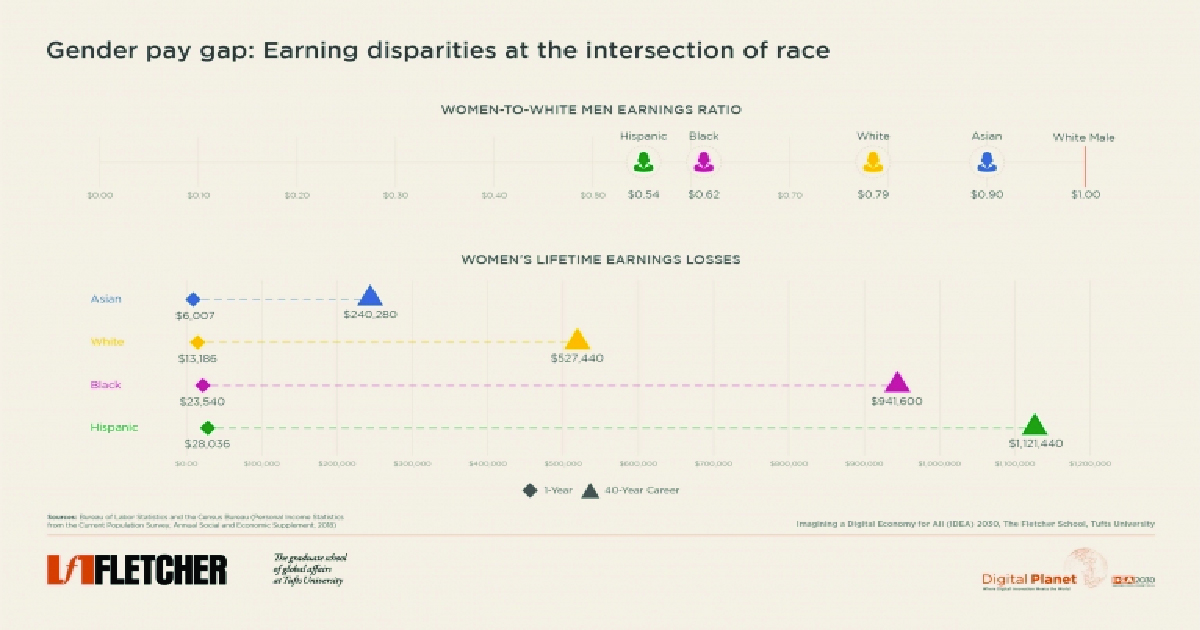
US women earn 82¢ for every dollar men make, worsened by race and education factors.
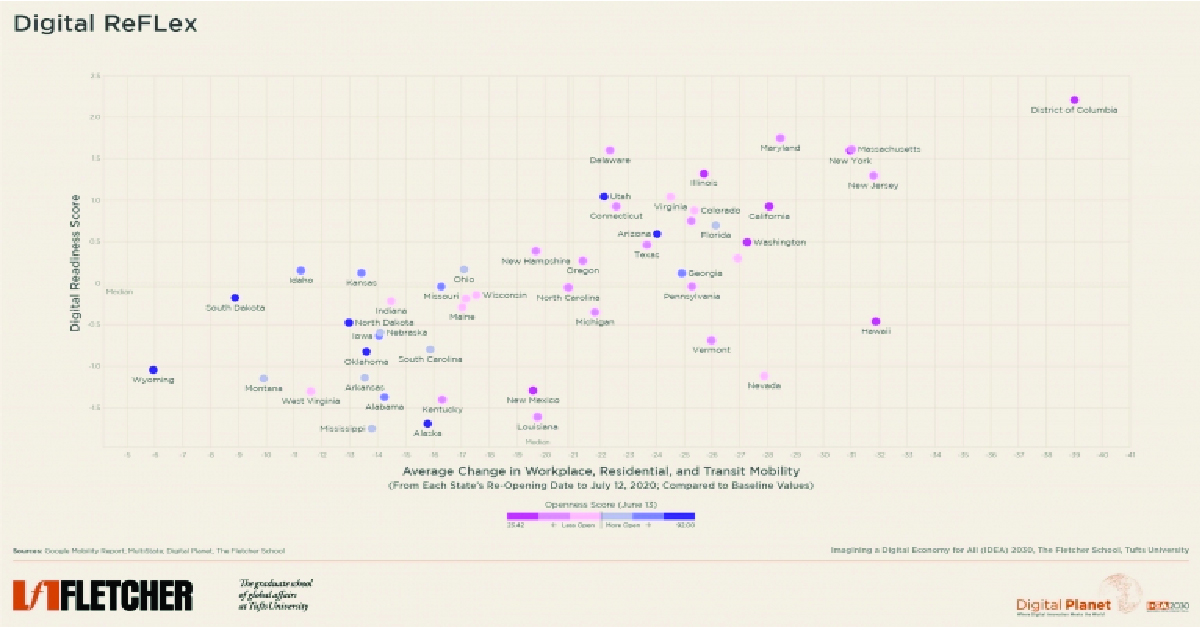
States, amid surging virus, reverse reopenings. Digital-ready states endure lockdowns better, with strict distancing measures for effective COVID-19 control.
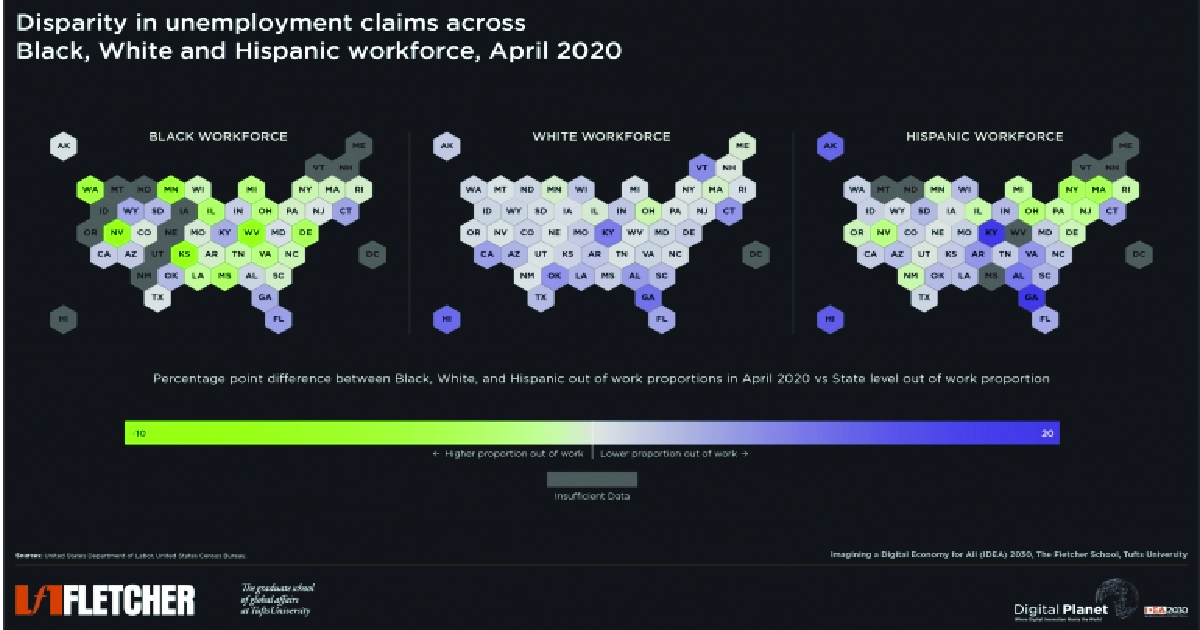
COVID-19 deepens racial disparities, particularly impacting Black communities. Addressing inequalities is crucial for an inclusive recovery.
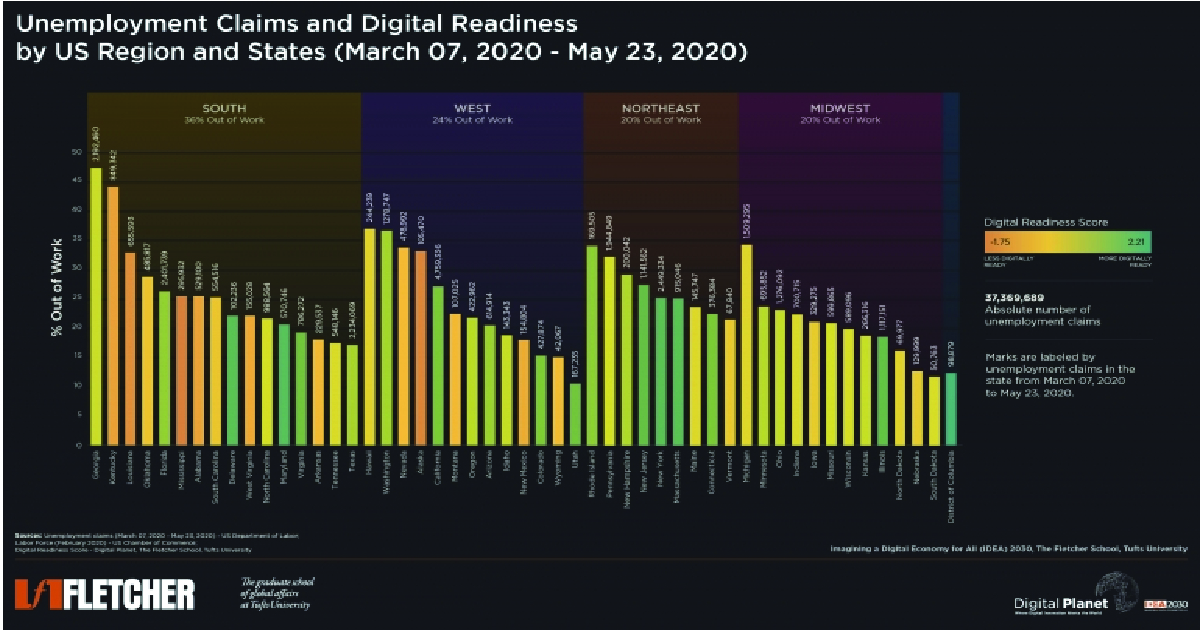
Digital platforms are crucial for business continuity during COVID-19. Washington excels in remote work, job transitions, and online unemployment filing support.
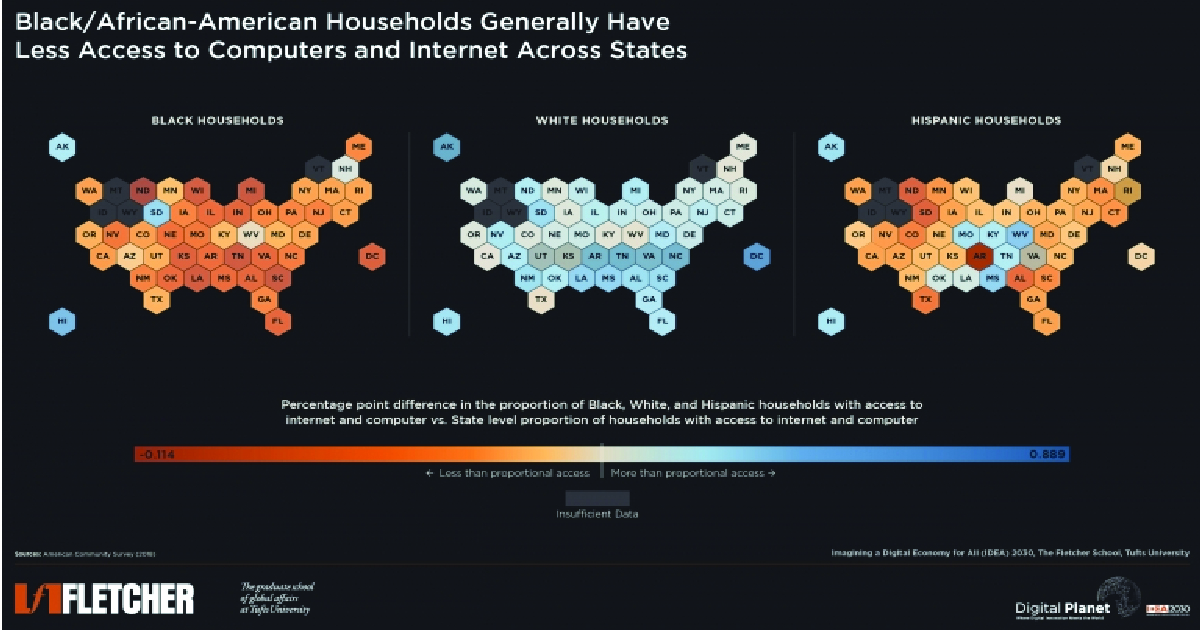
COVID-19 exposes US inequality, with certain races over-represented in less-flexible, low-tech jobs due to limited access to stable internet and computers.
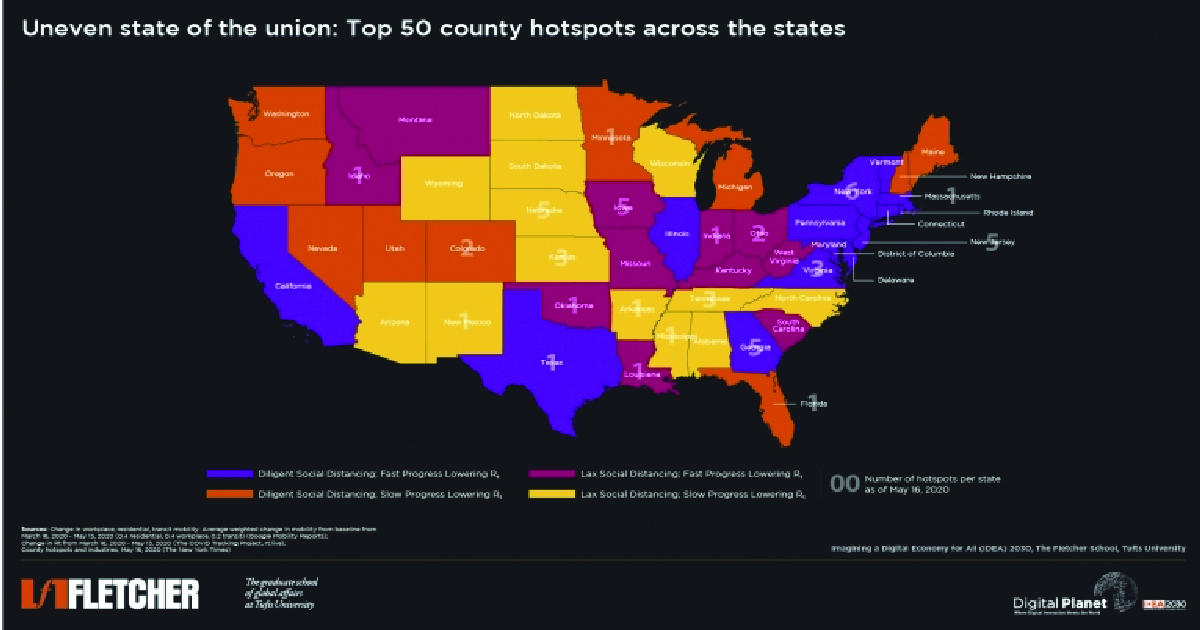
Despite 1.67M cases and nearly 100K deaths, US states vary in easing COVID-19 restrictions due to a lack of federal guidance.
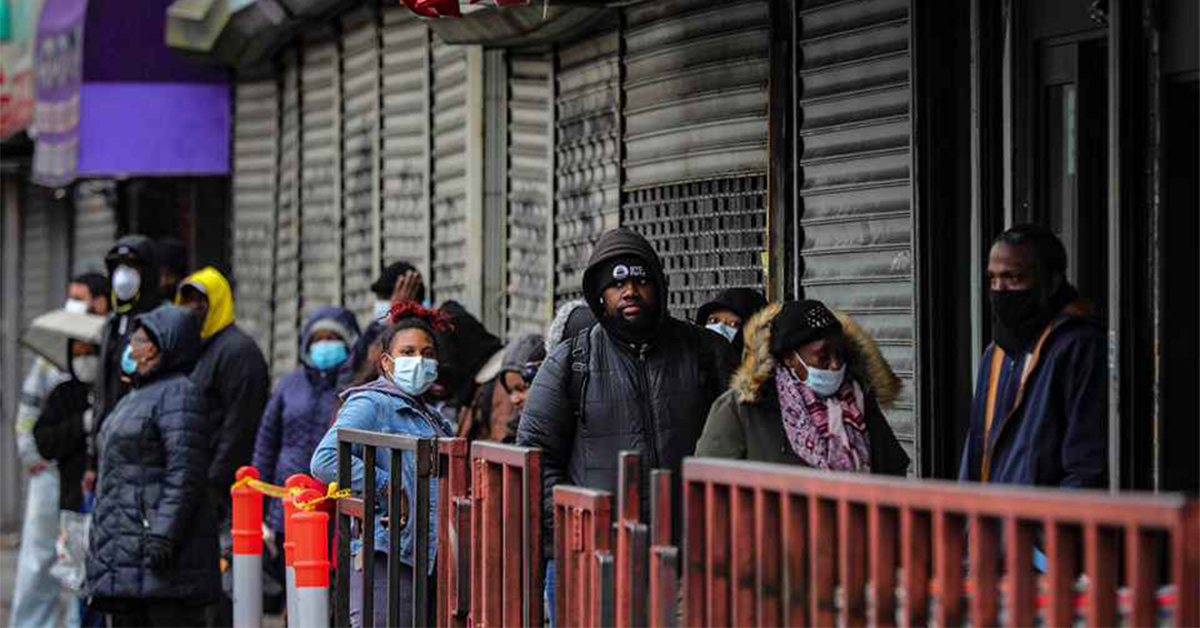
COVID-19 reveals US inequality, with races over-represented in inflexible, low-tech jobs due to limited internet access.
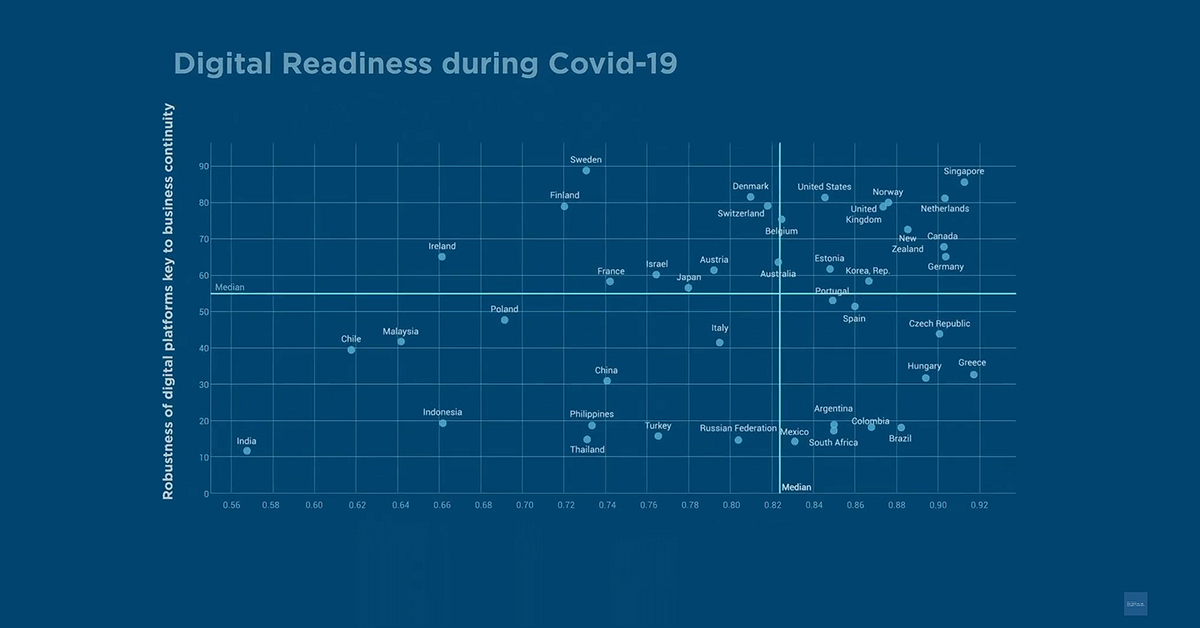
Are countries around the world prepared to keep the wheels of their economies turning during Coronavirus lockdowns? Watch the Social Distance Readiness Benchmark video summary to find out.
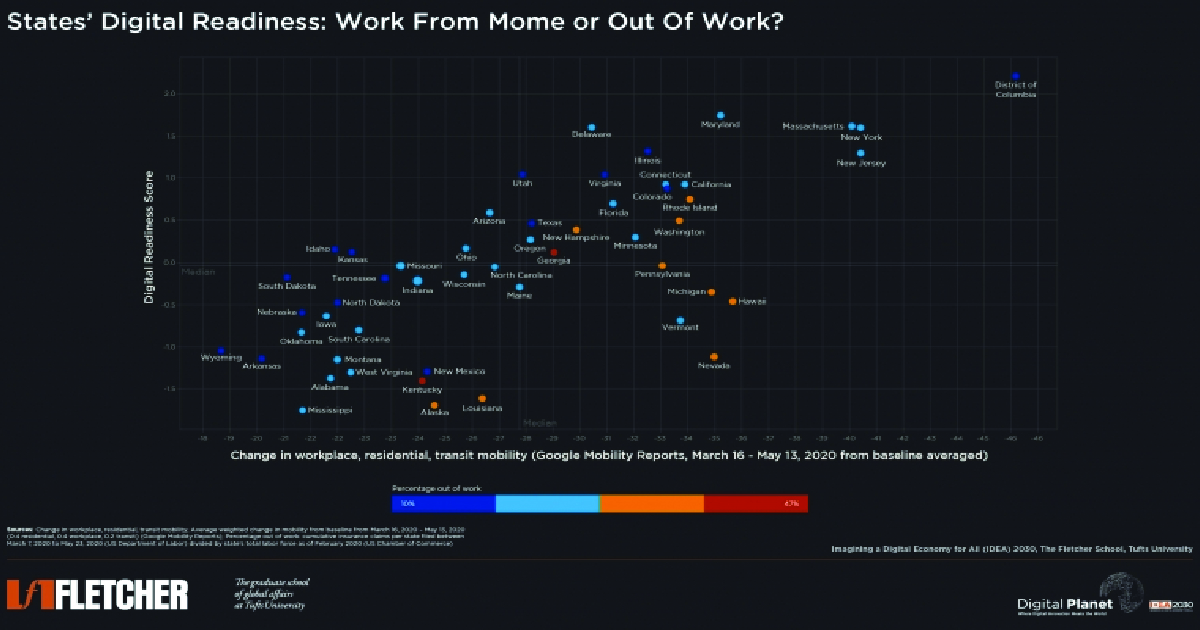
During the COVID-19 lockdown, US States that were least digitally ready and had the strictest social distancing measures experienced the highest unemployment numbers.
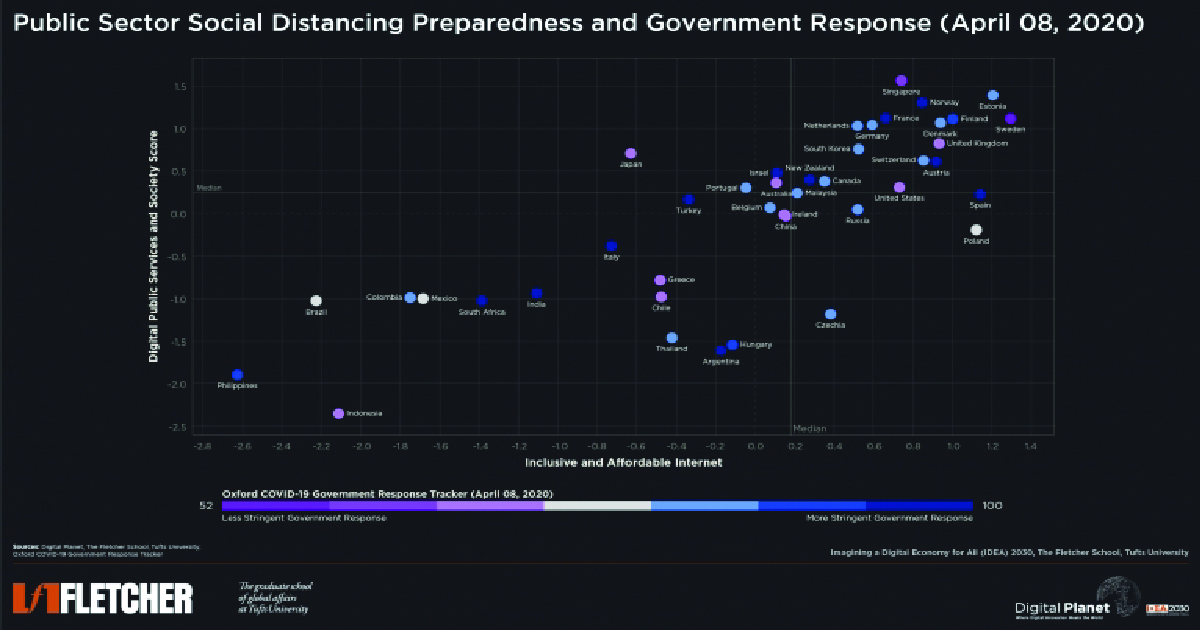
Online public services need infrastructure and affordable internet. We scored 42 countries on digital services and internet access, considering lockdown measures.
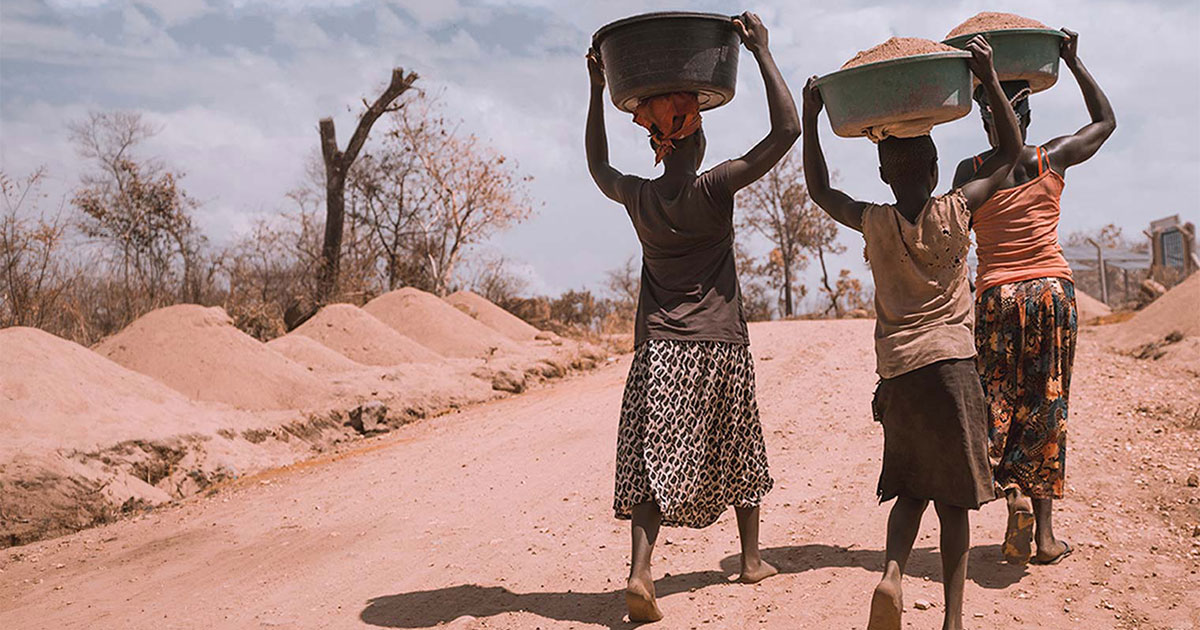
Watch the video summary to learn more about the key takeaways from the African Leapfrog Index.

Online public services need infrastructure and affordable internet. We scored 42 countries on digital services and internet access, considering lockdown measures.
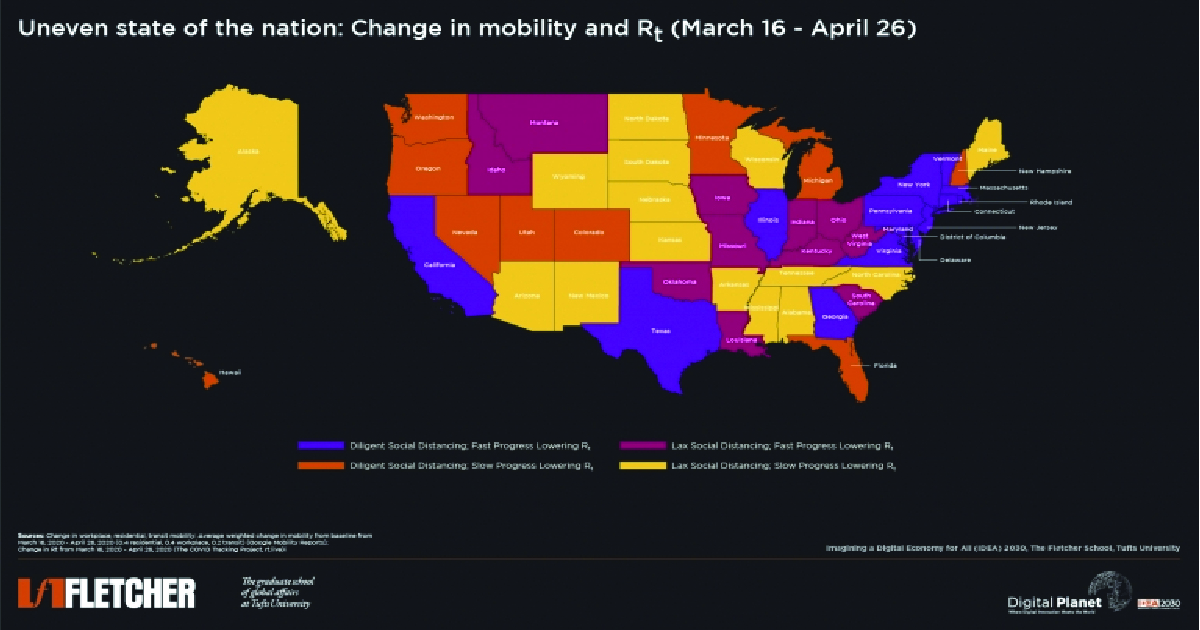
How does COVID-19 affect various US regions? Digital Planet analyzed mobility changes in relation to the virus reproduction rate.
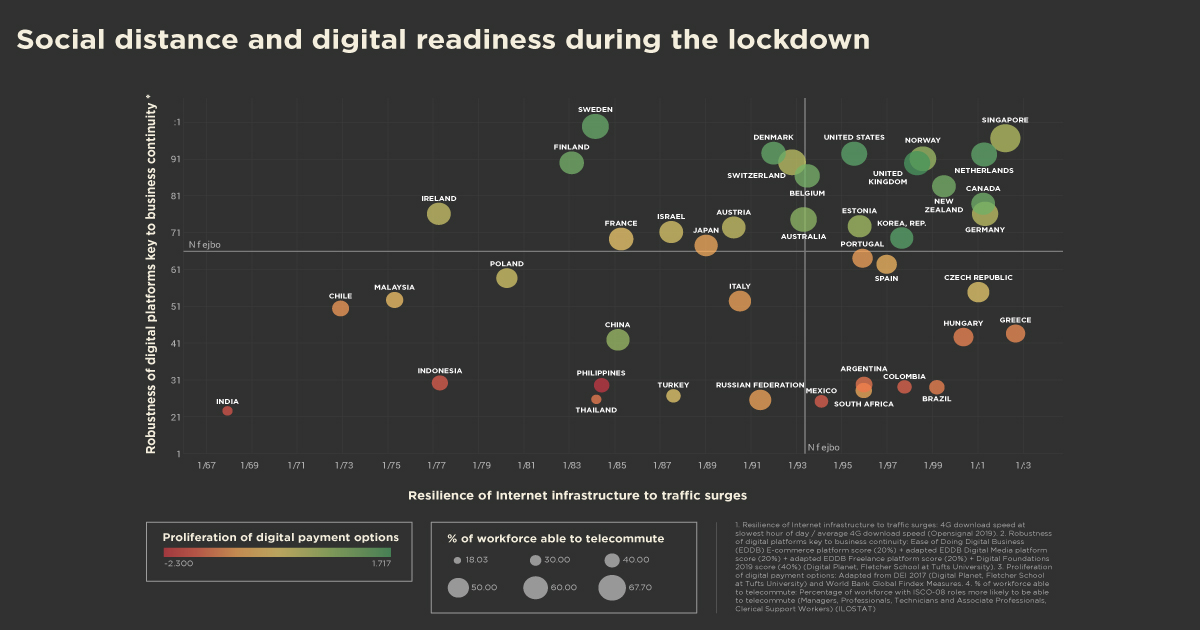
Remote work depends on digital services – telecom, e-commerce, digital media for communication. Countries need robust digital payments for transaction surges.
How emerging technologies and digital transformations can accelerate economic and societal growth in 6 African countries.

A Social Distance Readiness analysis of 42 countries measuring the robustness of their digital platforms; resilience of internet infrastructure to traffic surges; proliferation of digital payments options and percentage of workforce able to telecommute.